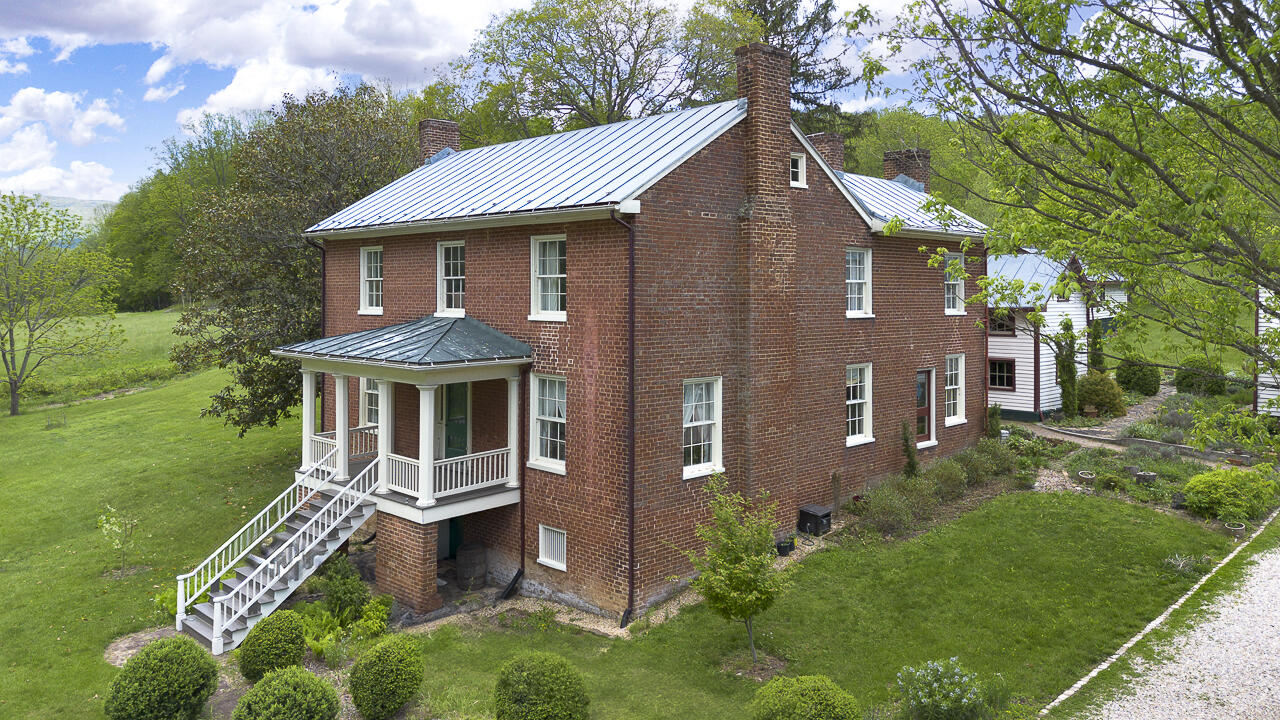
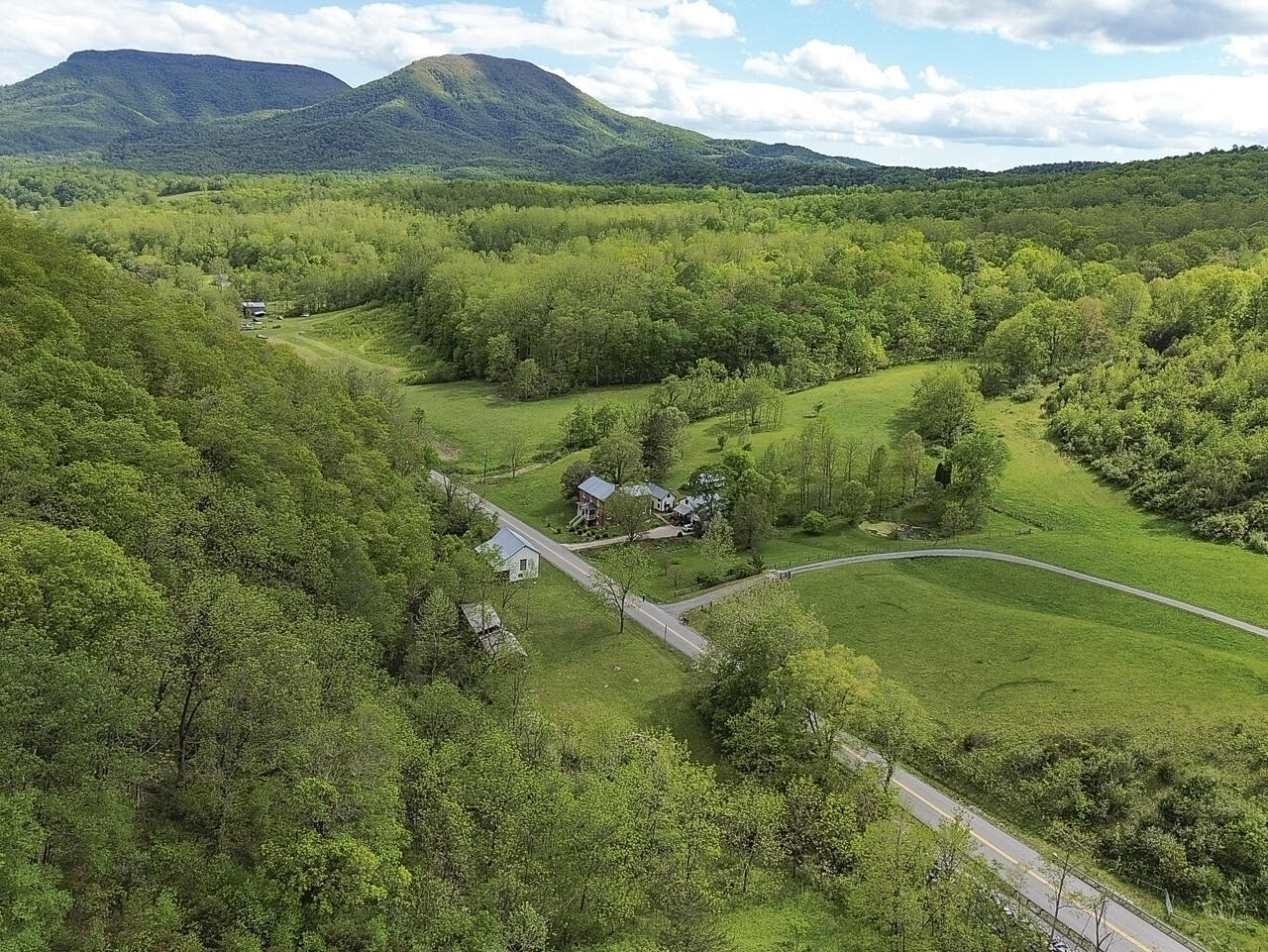
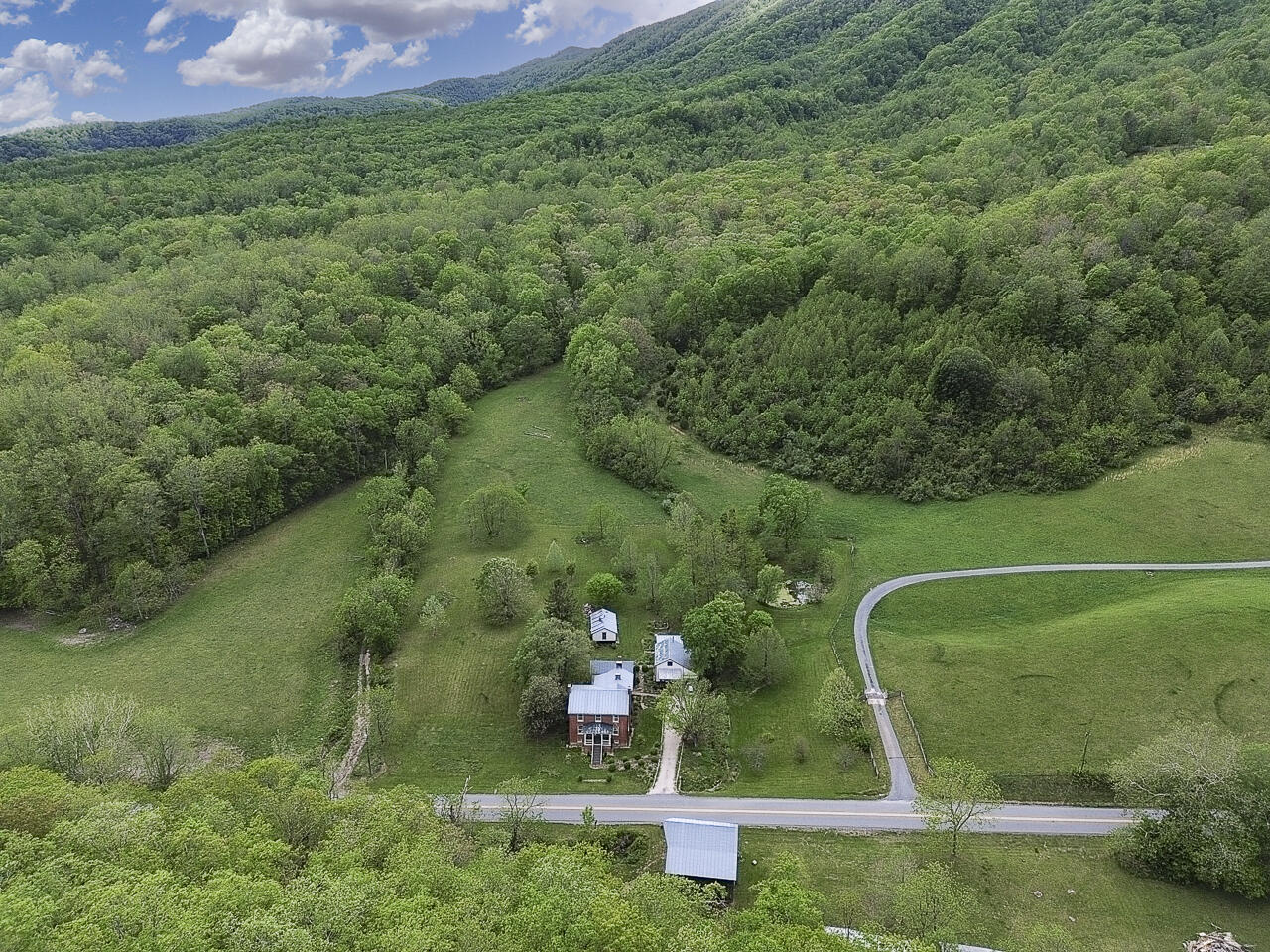
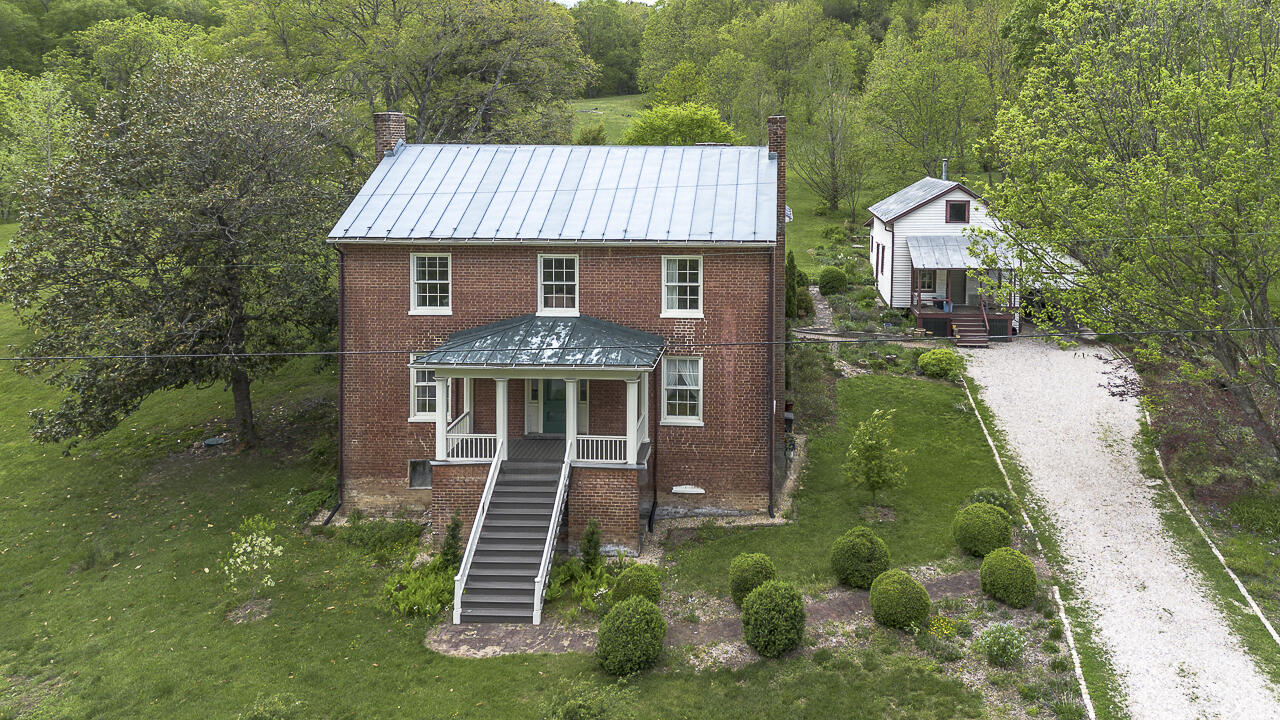
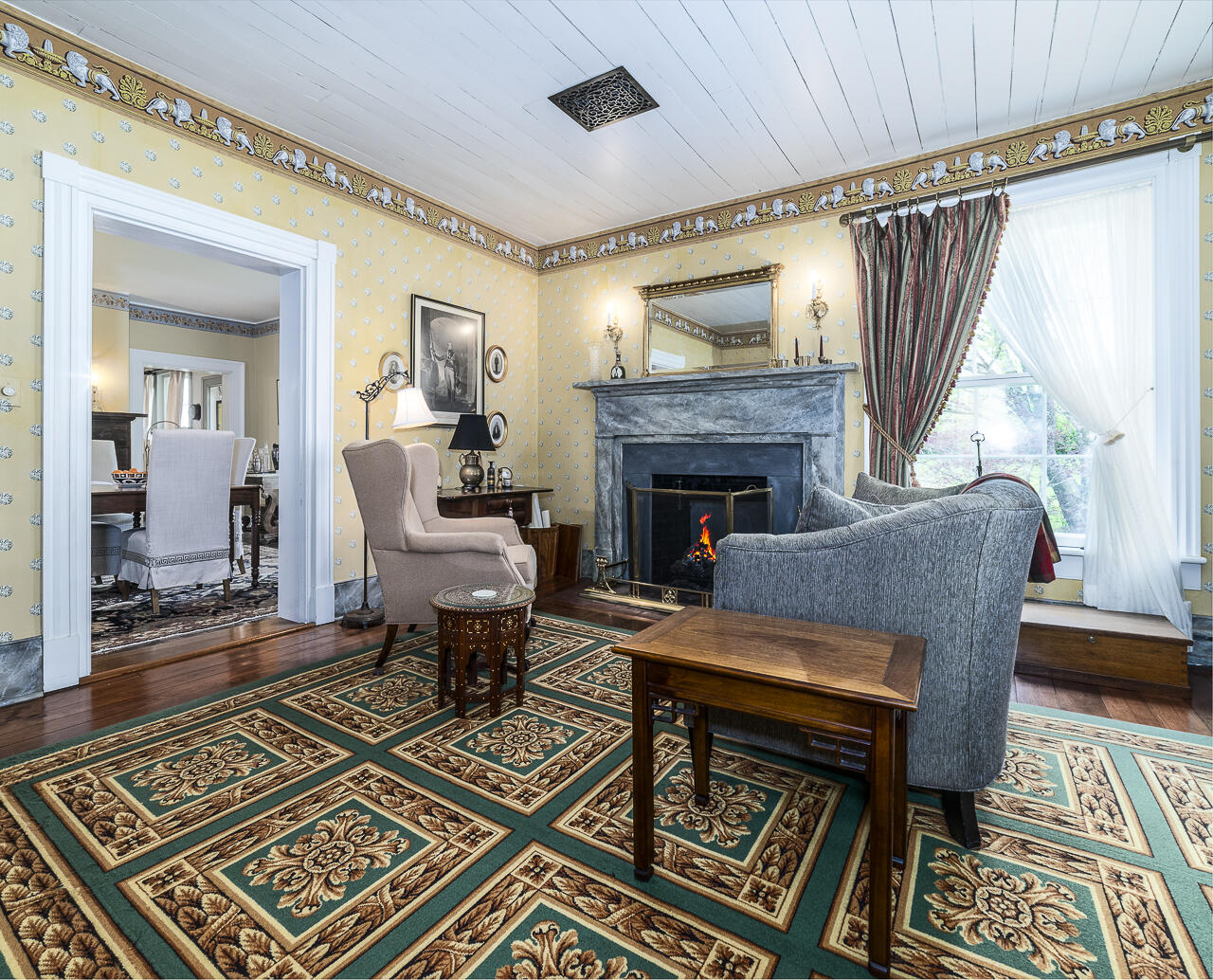
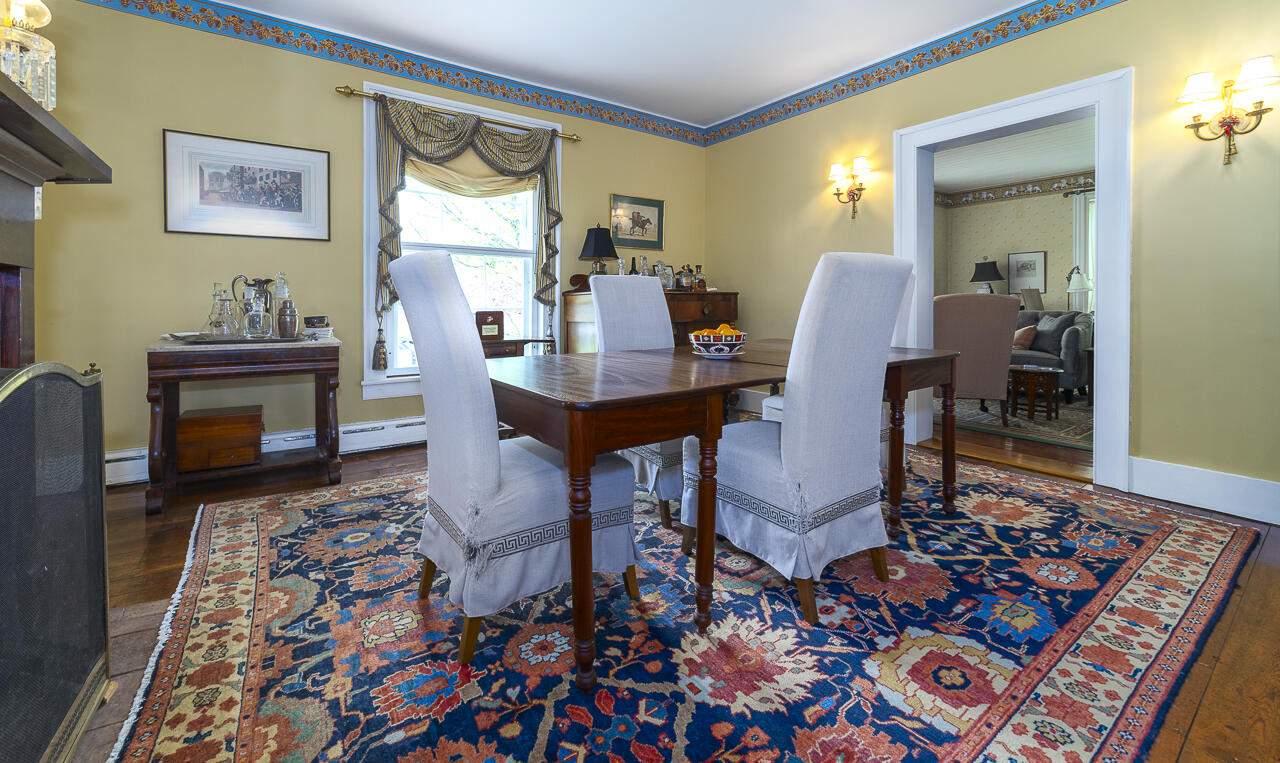
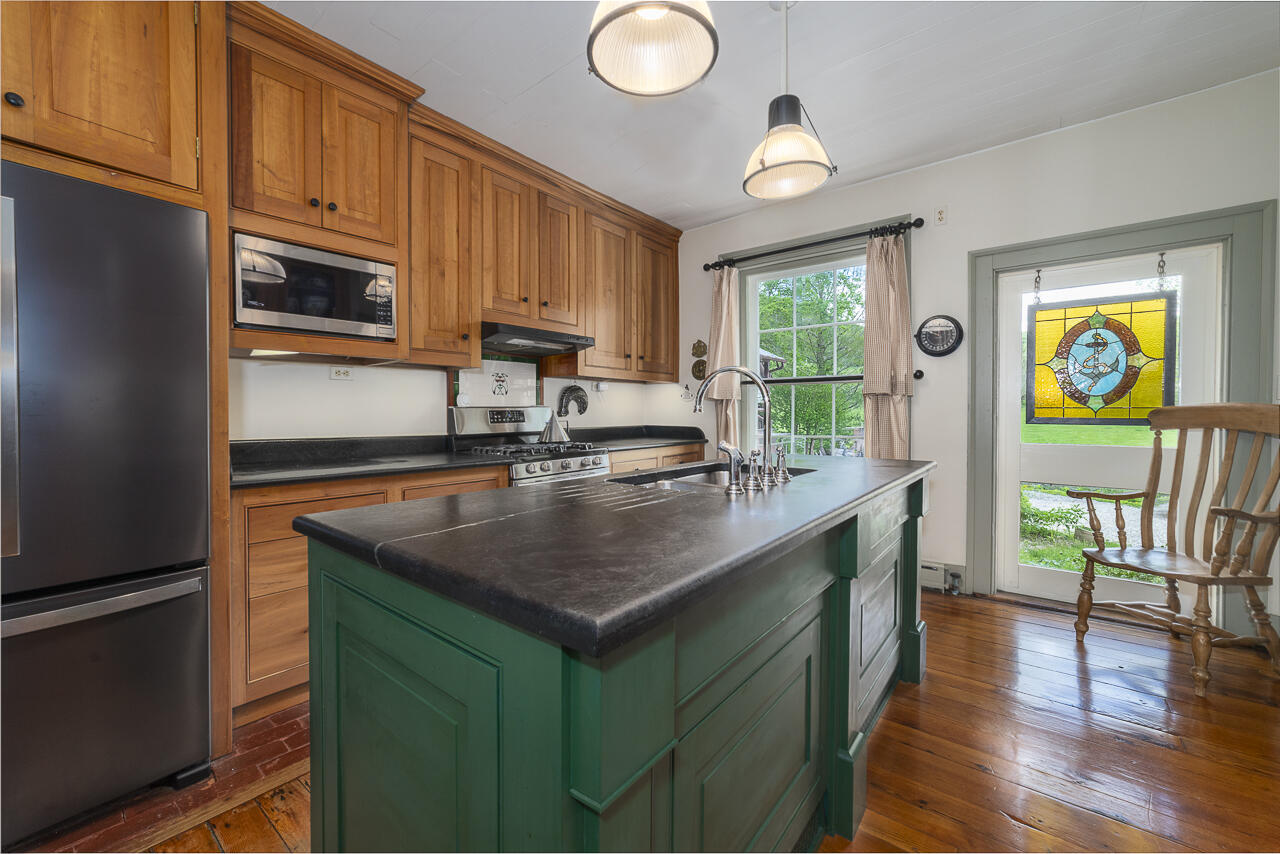
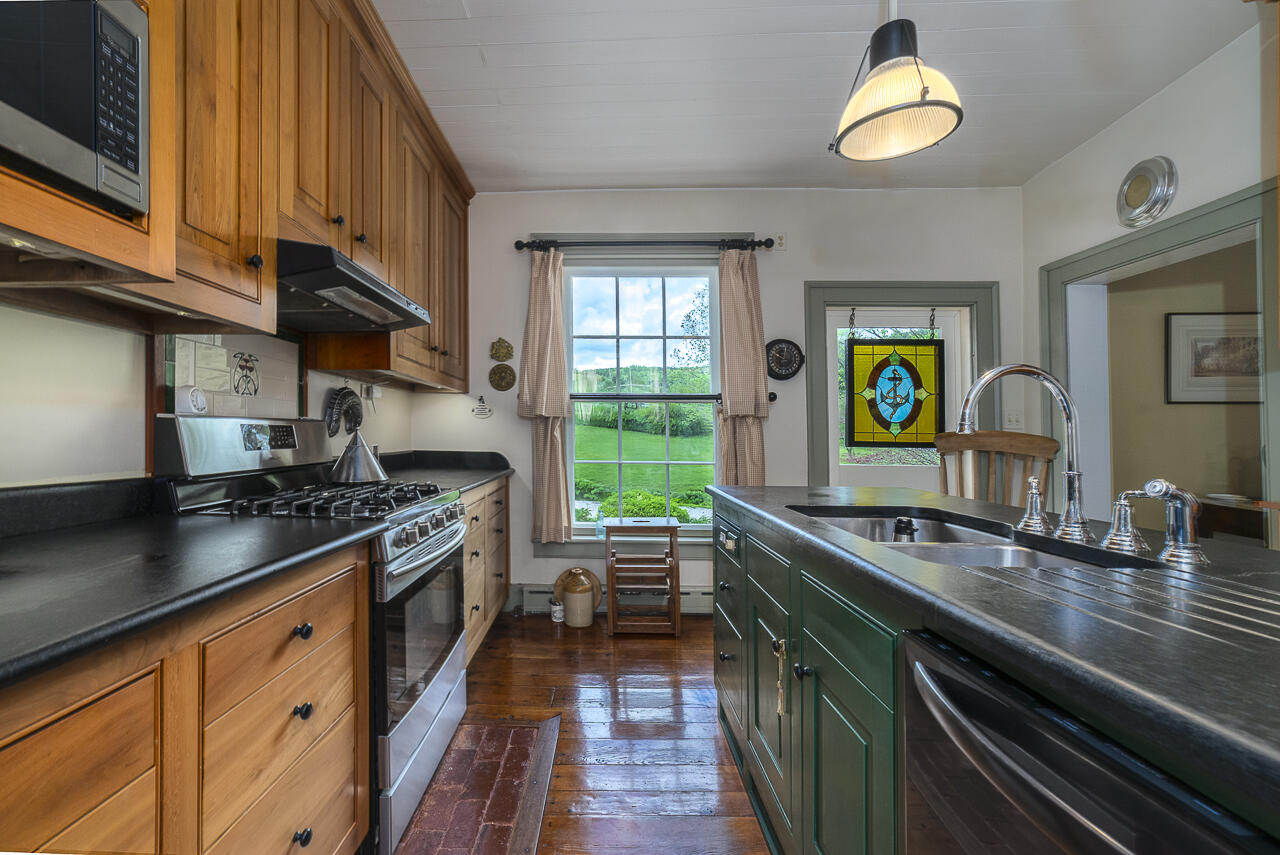
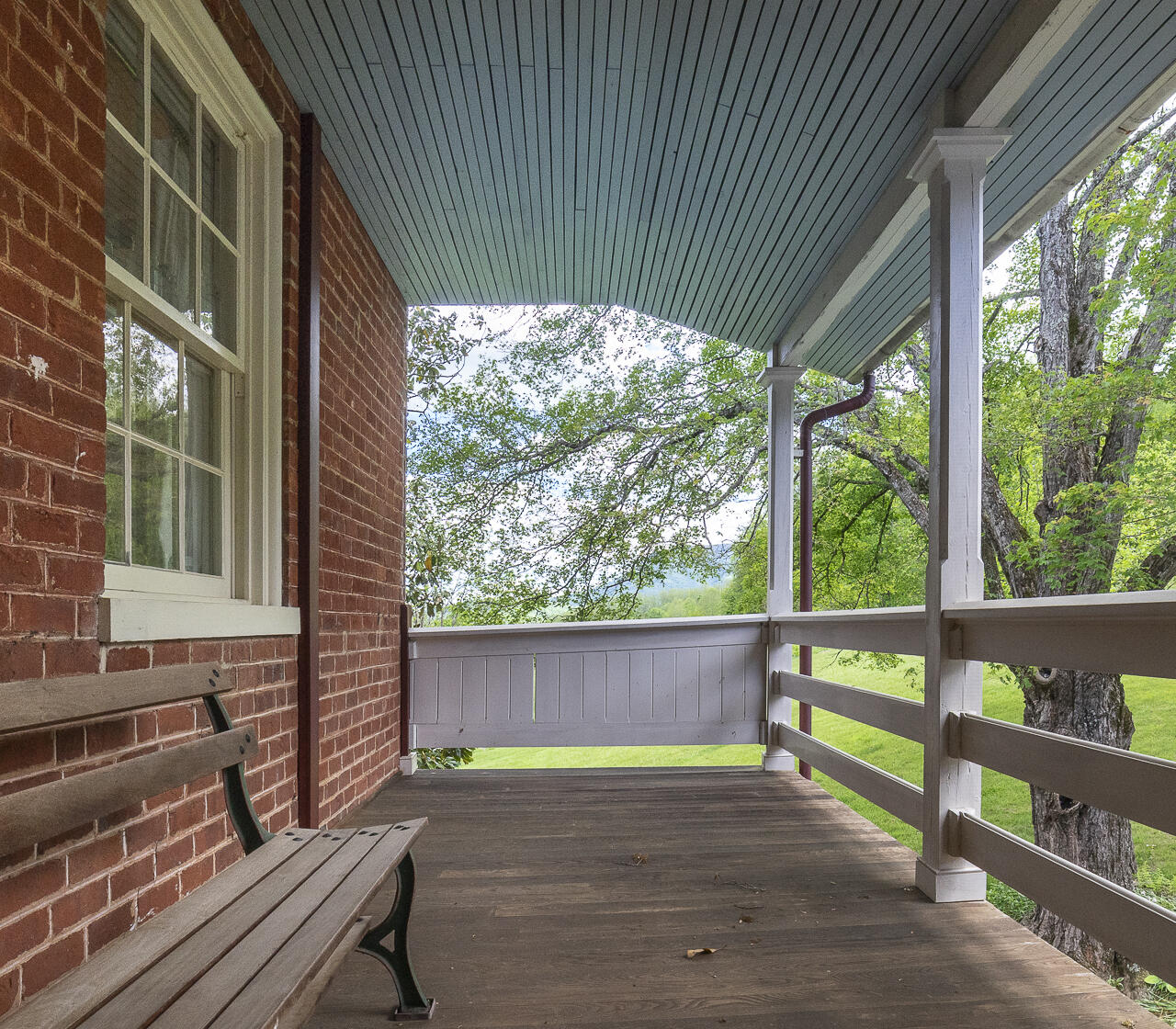
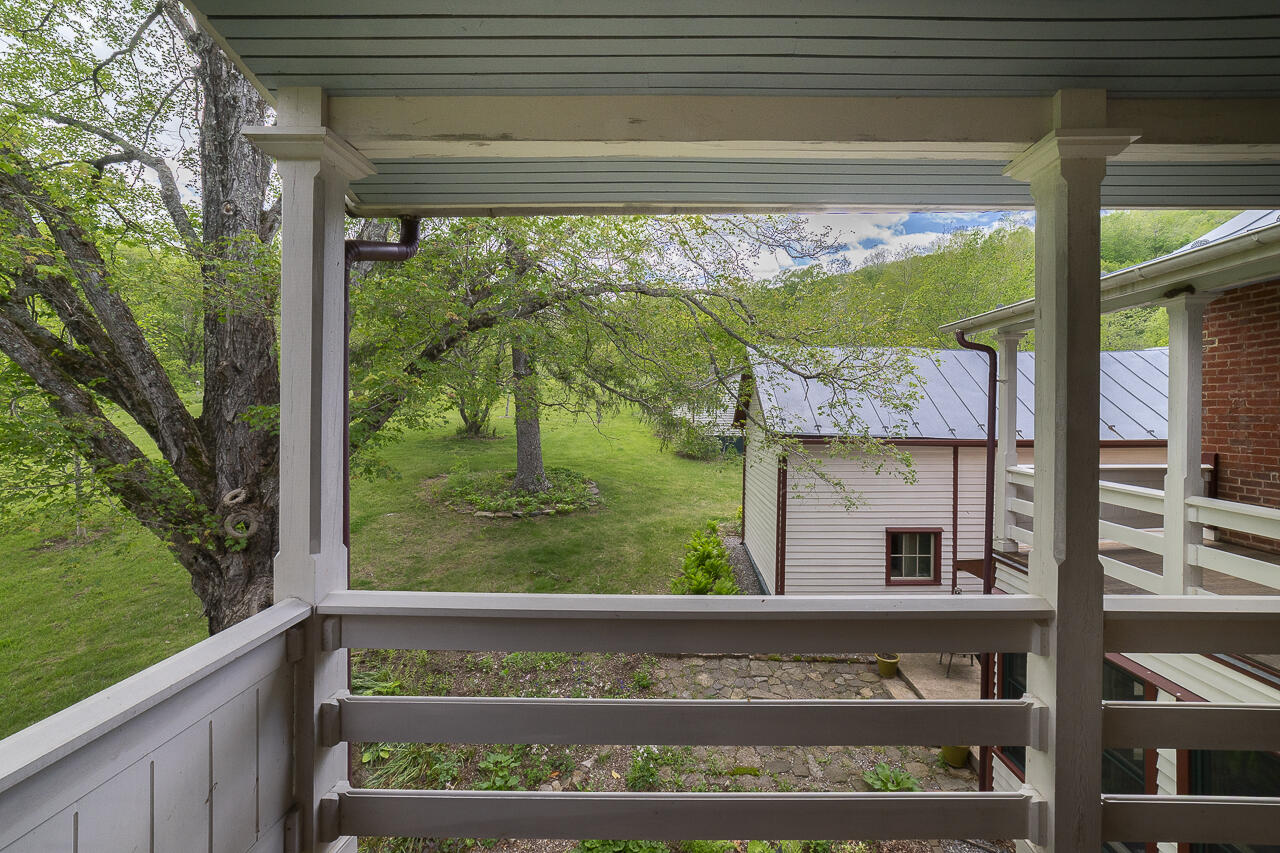
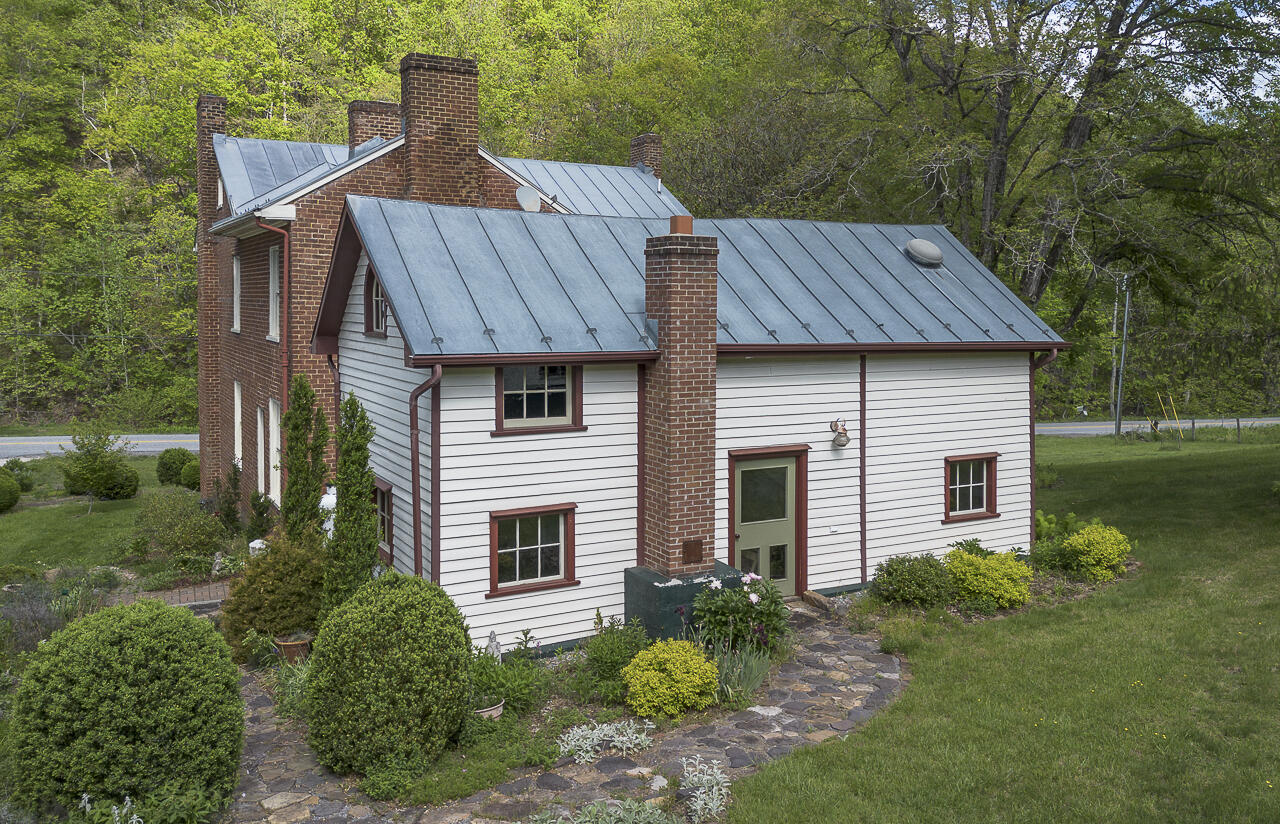
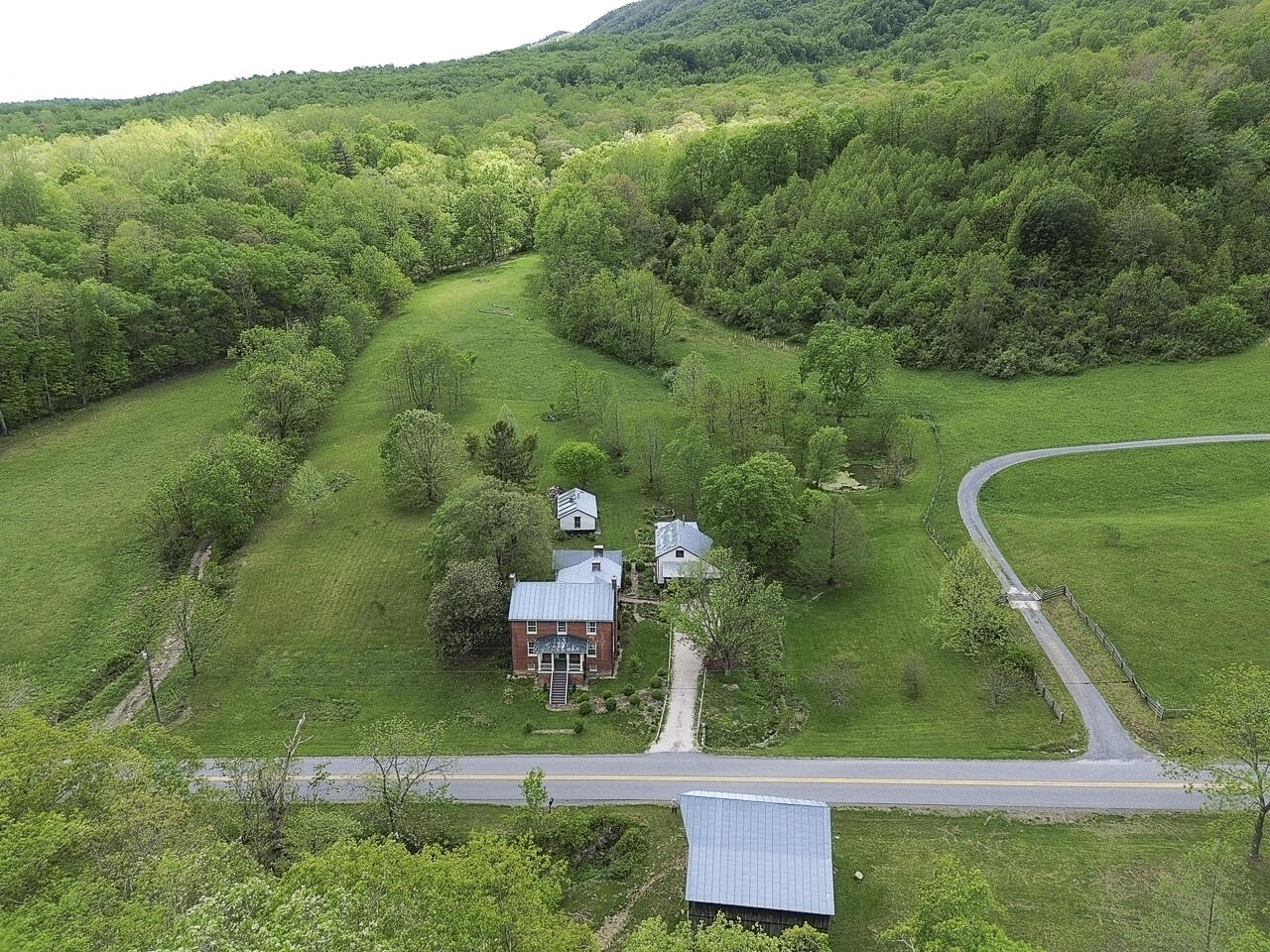
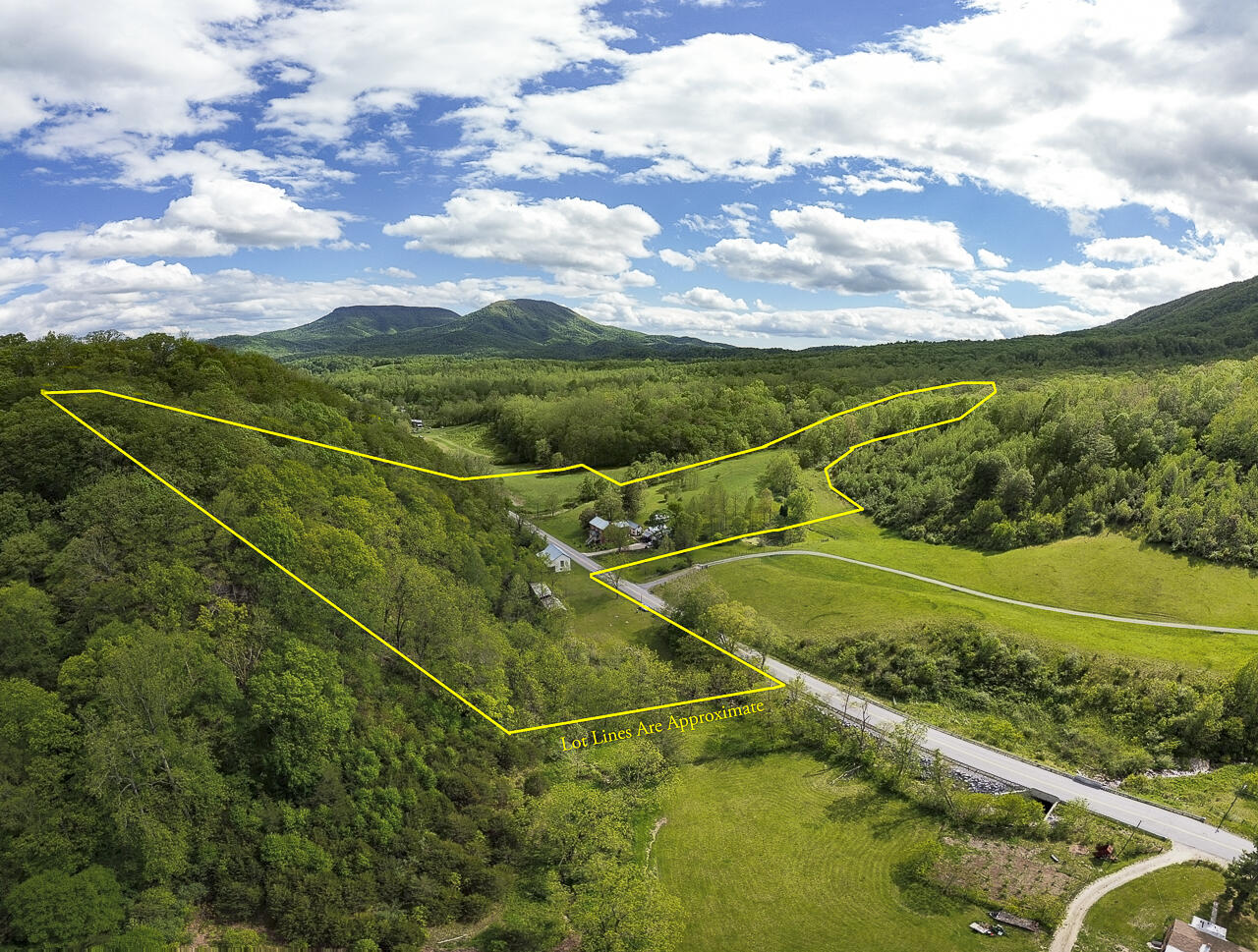
Have you been searching for an impeccably restored Shenandoah Valley farmhouse with mountain views? If so, you need to consider the Miller-Knick House, located just 15 minutes from historic Lexington, VA. Situated on 11.88 acres along the spring-fed headwaters of Kerr's Creek, the property qualifies for designation on state and national historic registers; the National Trust for Historic Preservation has featured the home's meticulous restoration in Preservation Magazine. The architecturally significant 2-story brick dwelling has 3 bedrooms and 3 baths, period-appropriate finishes, restored original woodwork, a custom cherry kitchen with soapstone counters, and modern systems. A collection of updated 19th and 20th century outbuildings lend charm and utility, as do lovely garden spaces. The online version of the National Trust for Historic Preservation's article about the restoration of the farmhouse, as featured in the Fall 2018 issue of Preservation Magazine, may be accessed at https://savingplaces.org/stories/a-lexington-virginia-farmhouse-is-restored-using-period-appropriate-methods
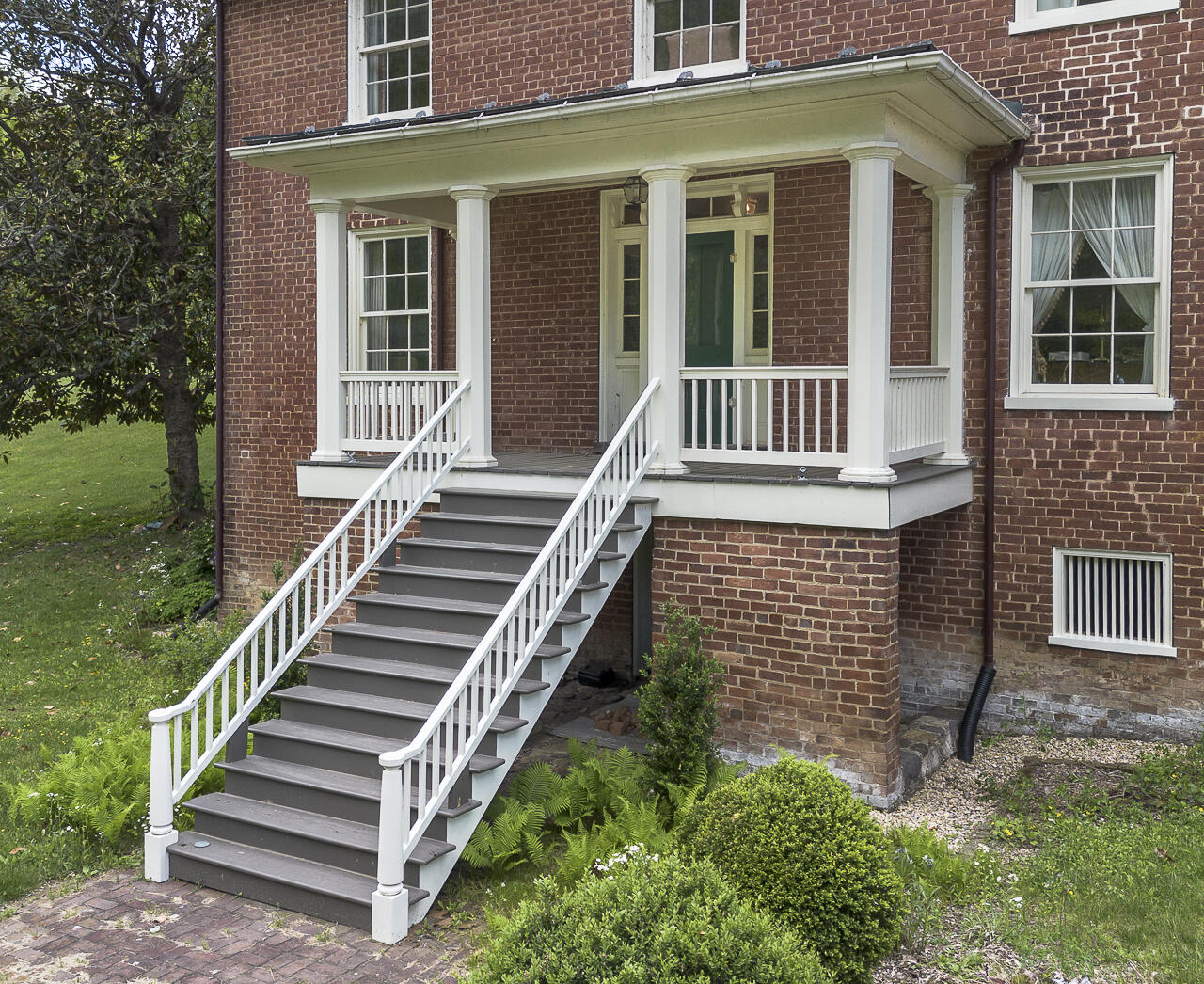
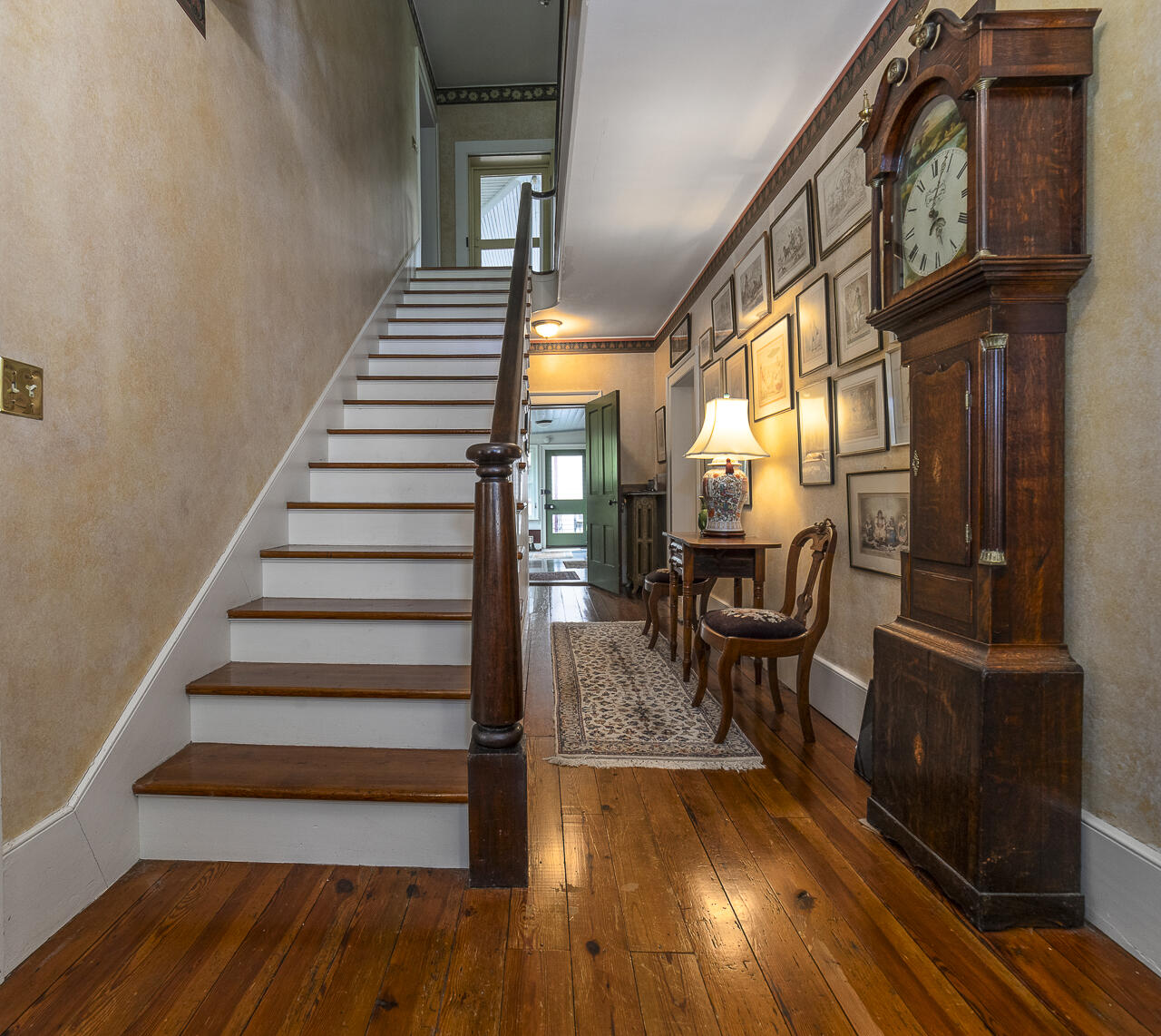
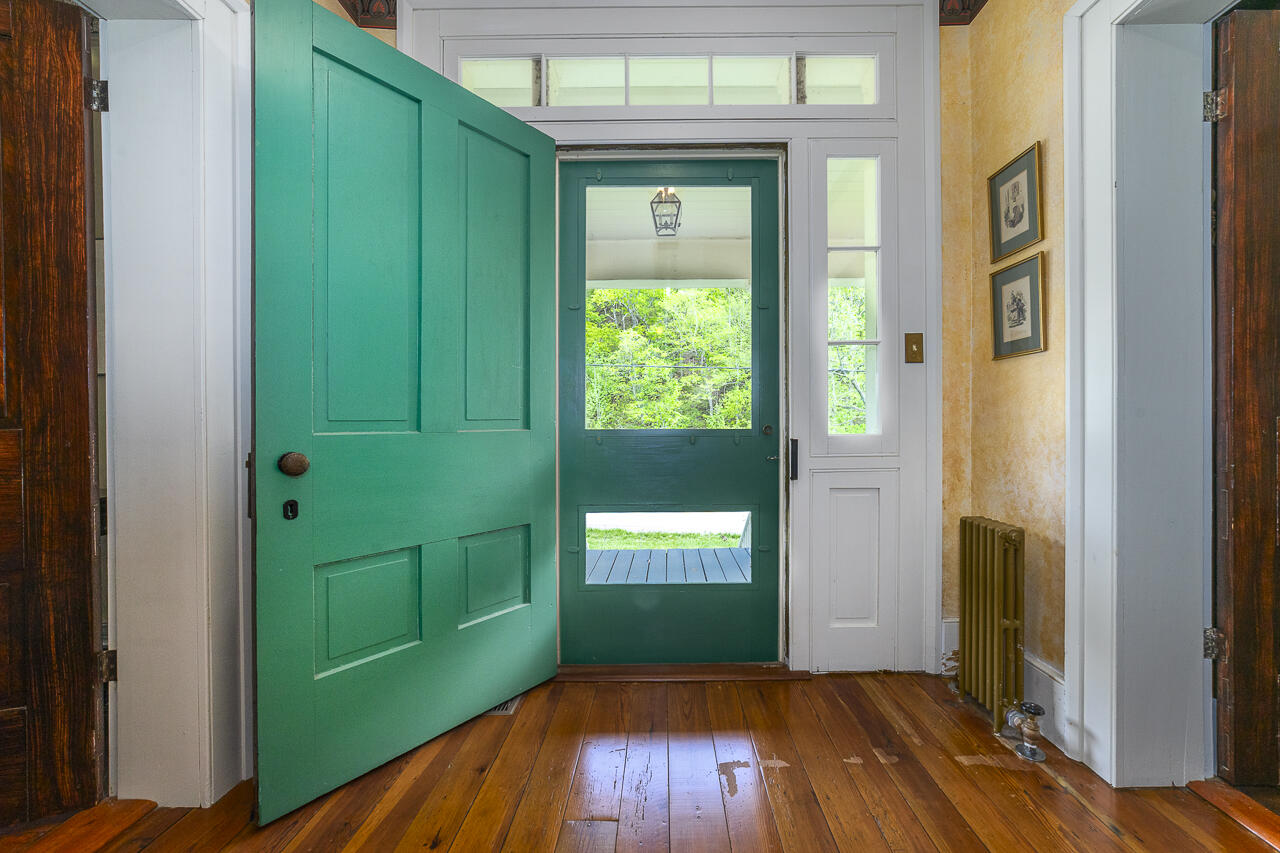
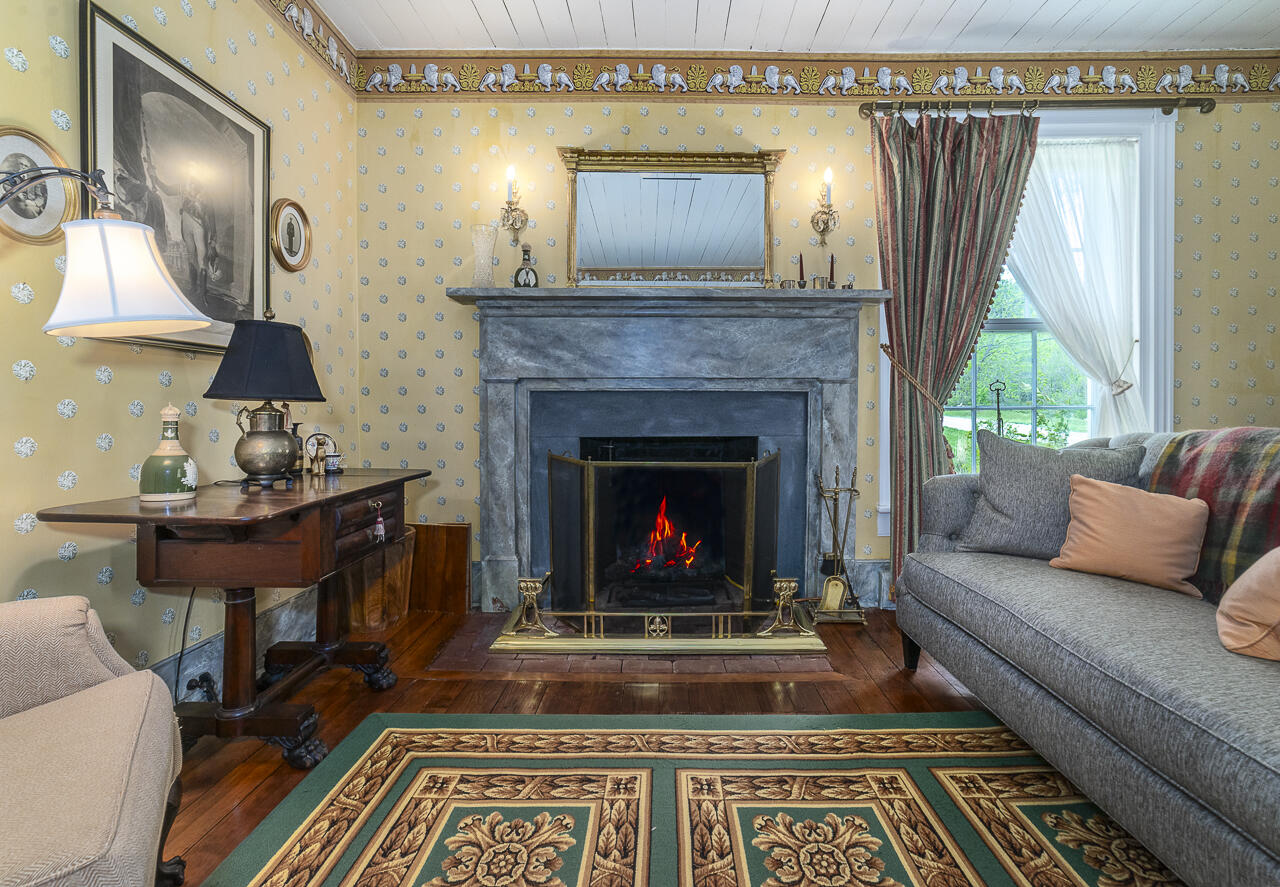
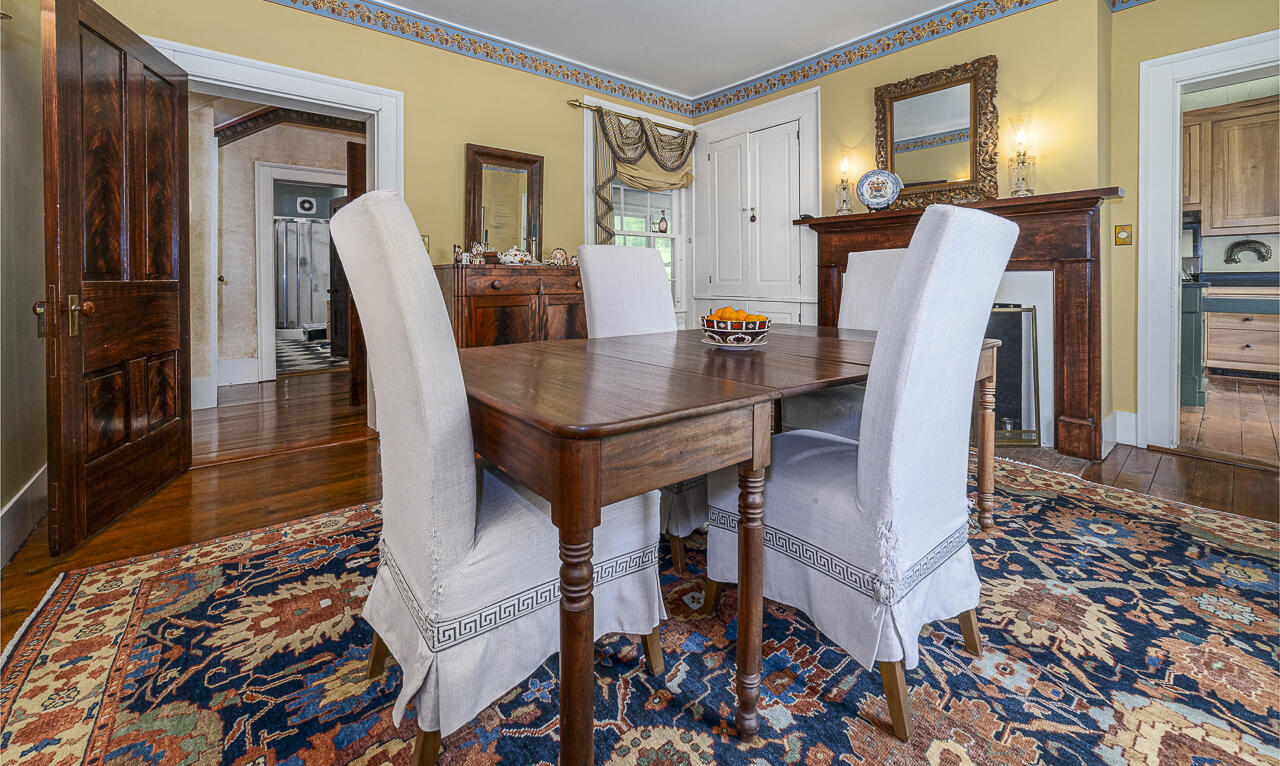
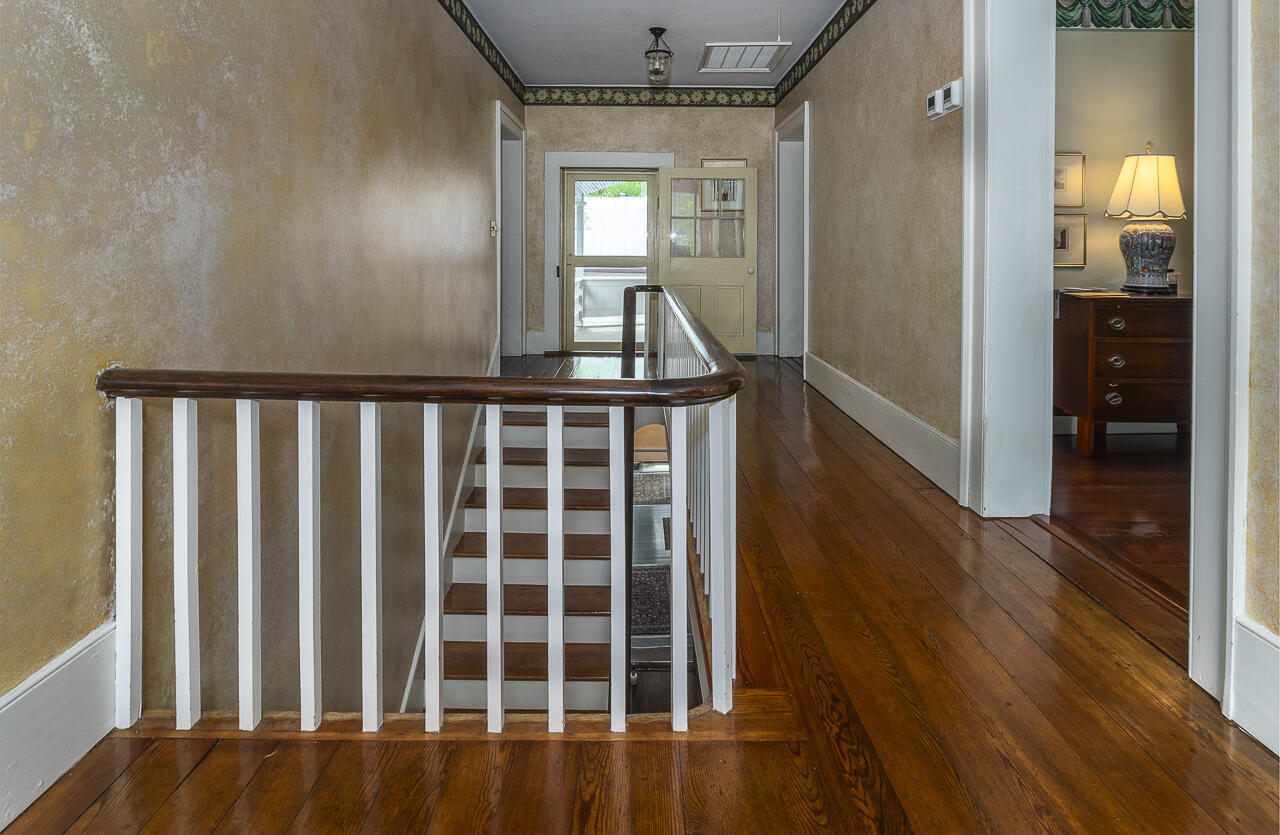
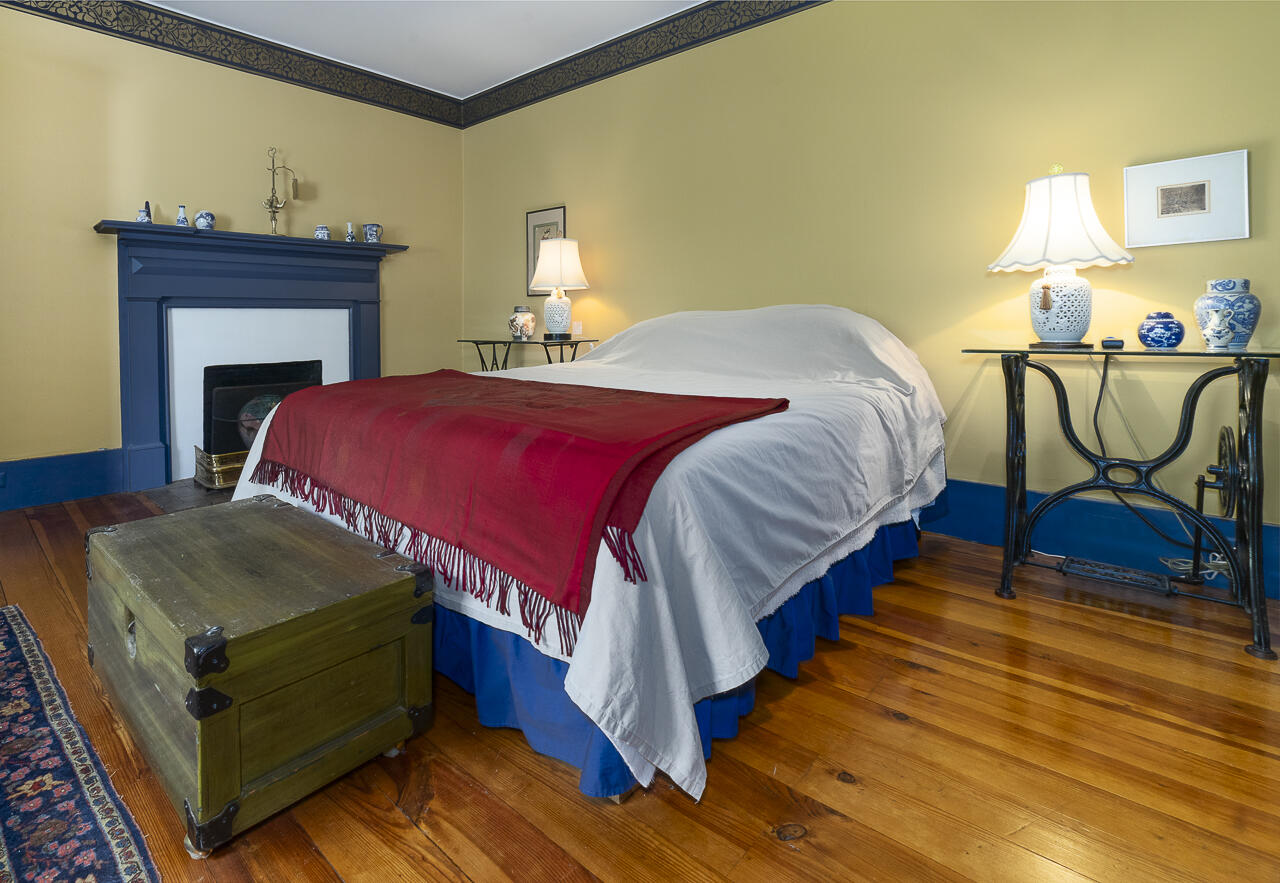
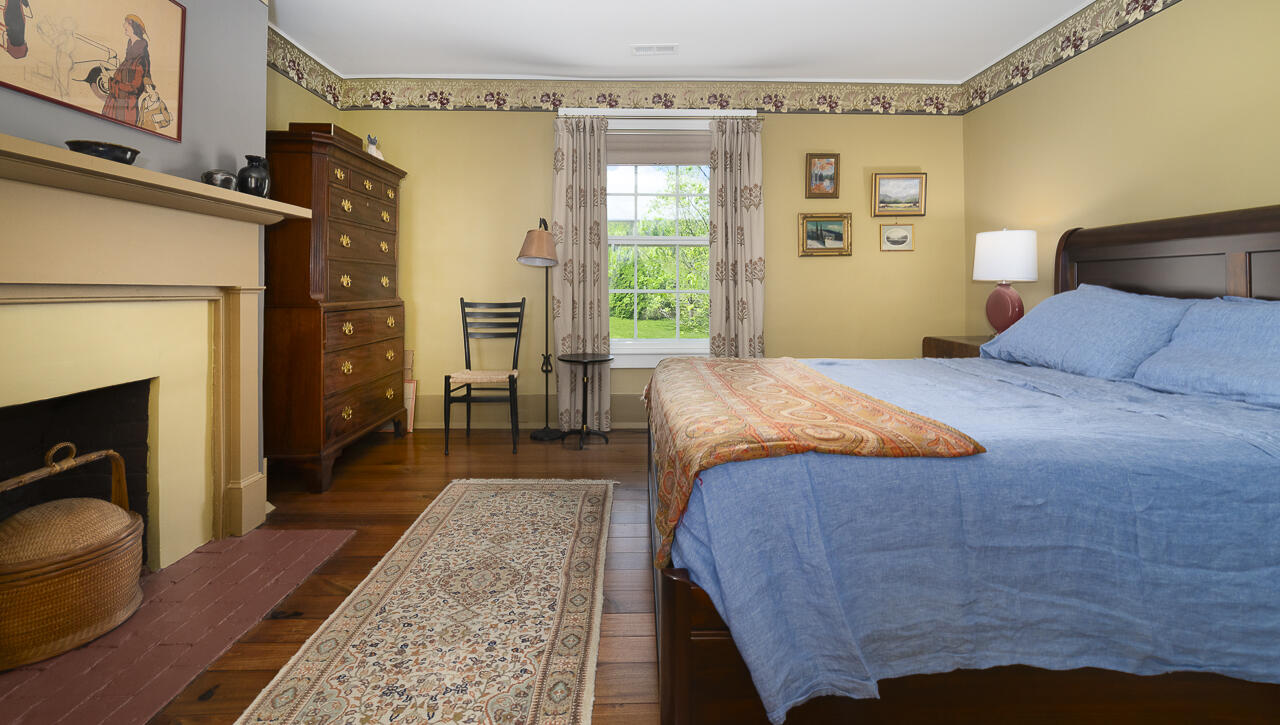
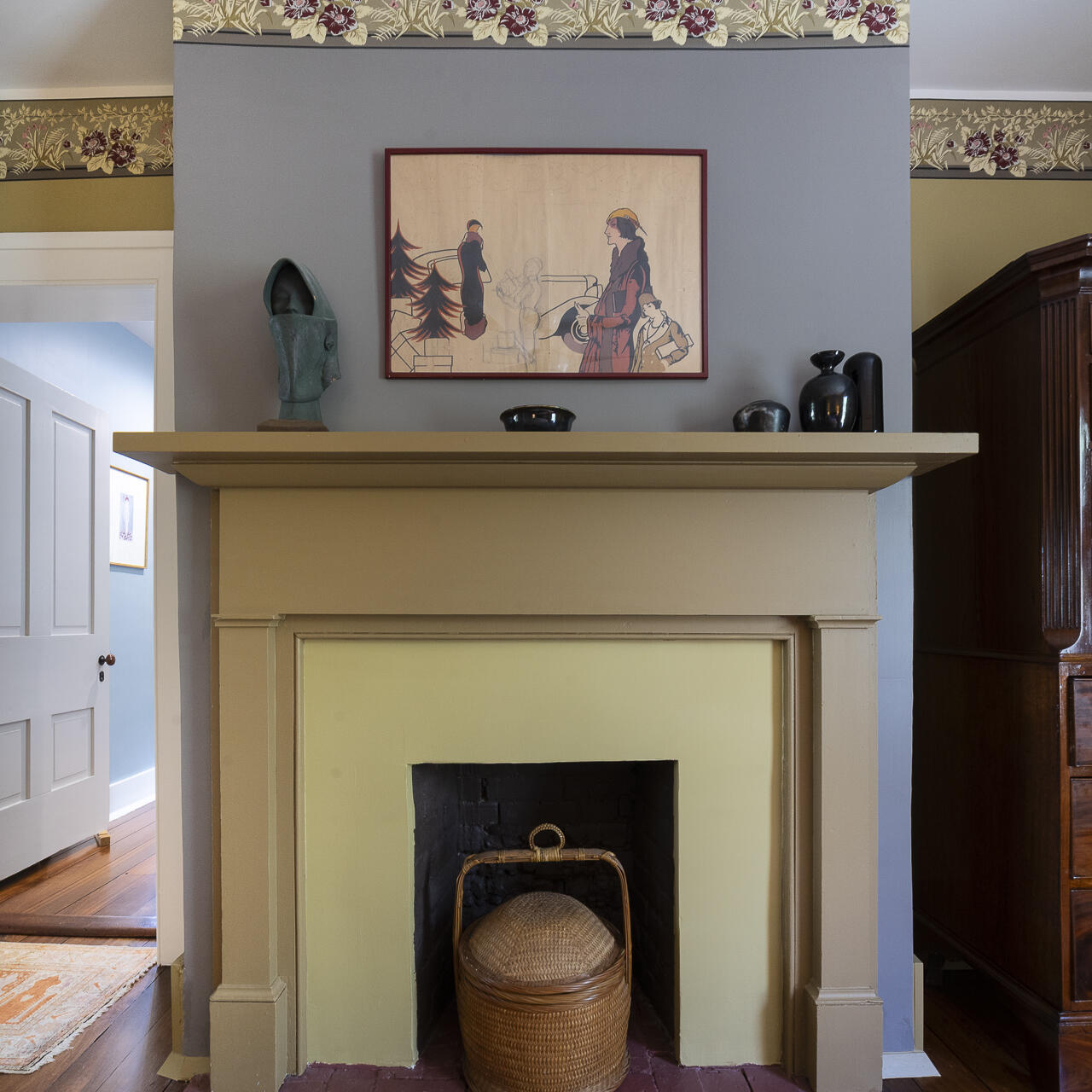
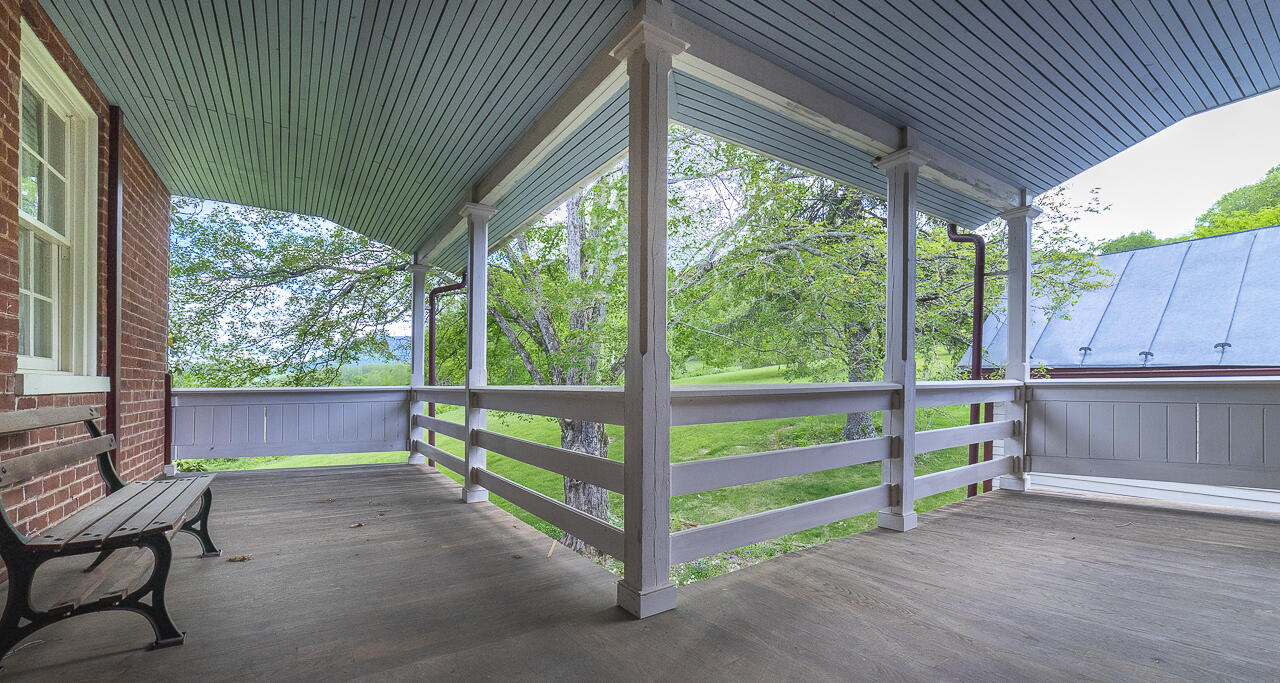
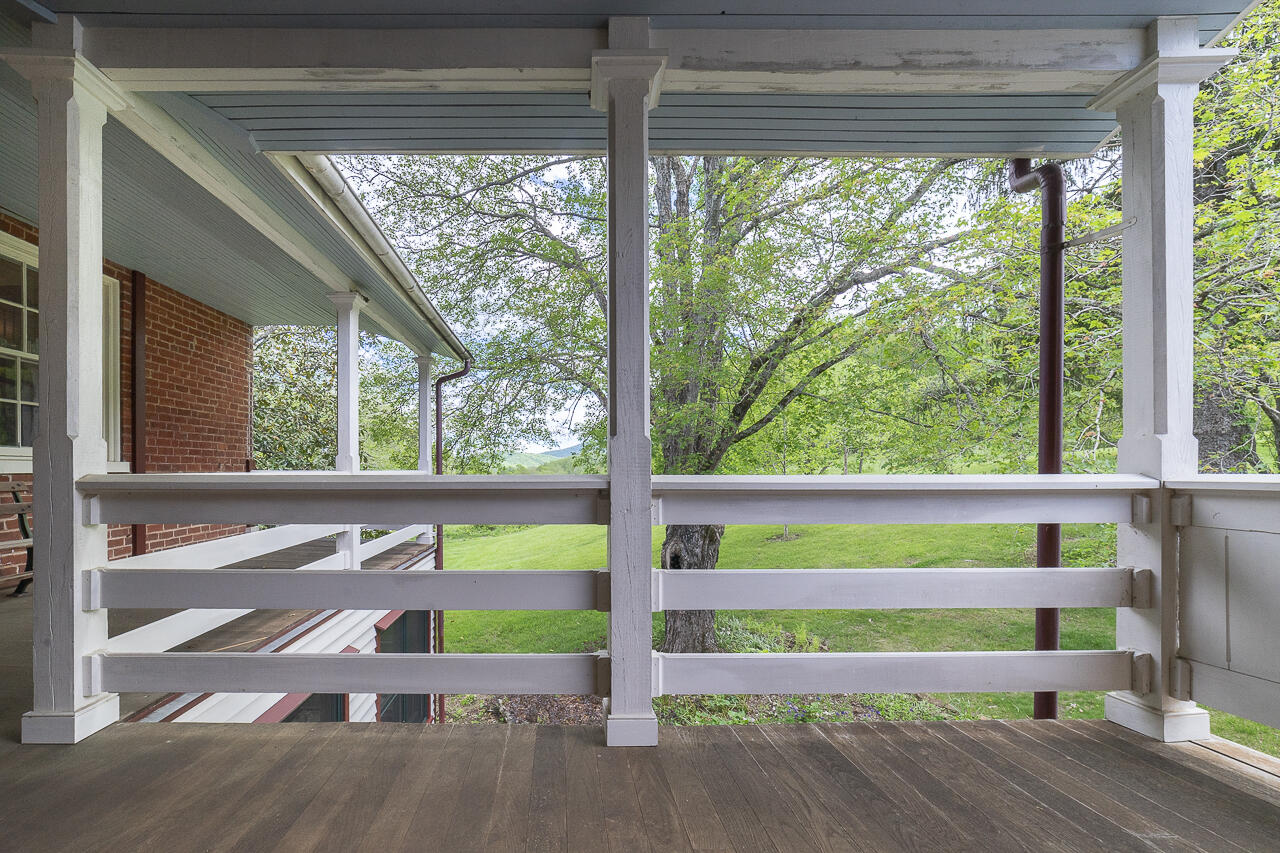
Original architectural elements conserved at the home include Flemish- and American-bond brickwork with pencilled mortar joints; six-over-six wood windows; octagonal front porch columns and pilasters; an ornamental front entryway with transom, sidelights, carved brackets, and a 6-panel door; a center-passage staircase with turned newel post; wide-plank pine flooring; Greek Revival and Gothic Revival mantels; asymmetrical and symmetrical door and window moldings; 4-panel doors; and a built-in cabinet in the dining room. The home has 6 fireplaces -- the 3 on the first floor have been updated with gas log sets used for supplemental heating, while the 3 on the second floor are decorative (non-functional) at this time.
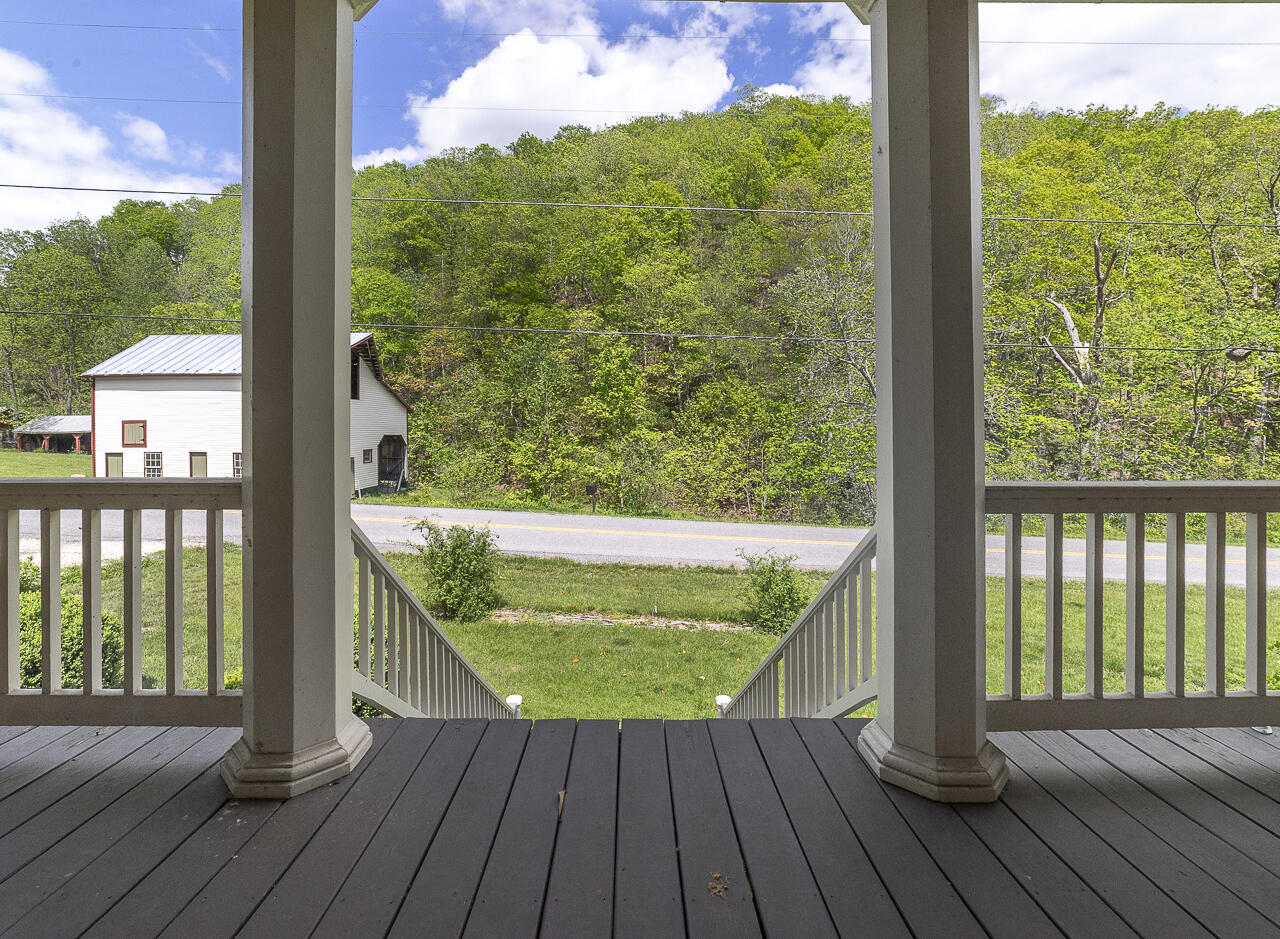
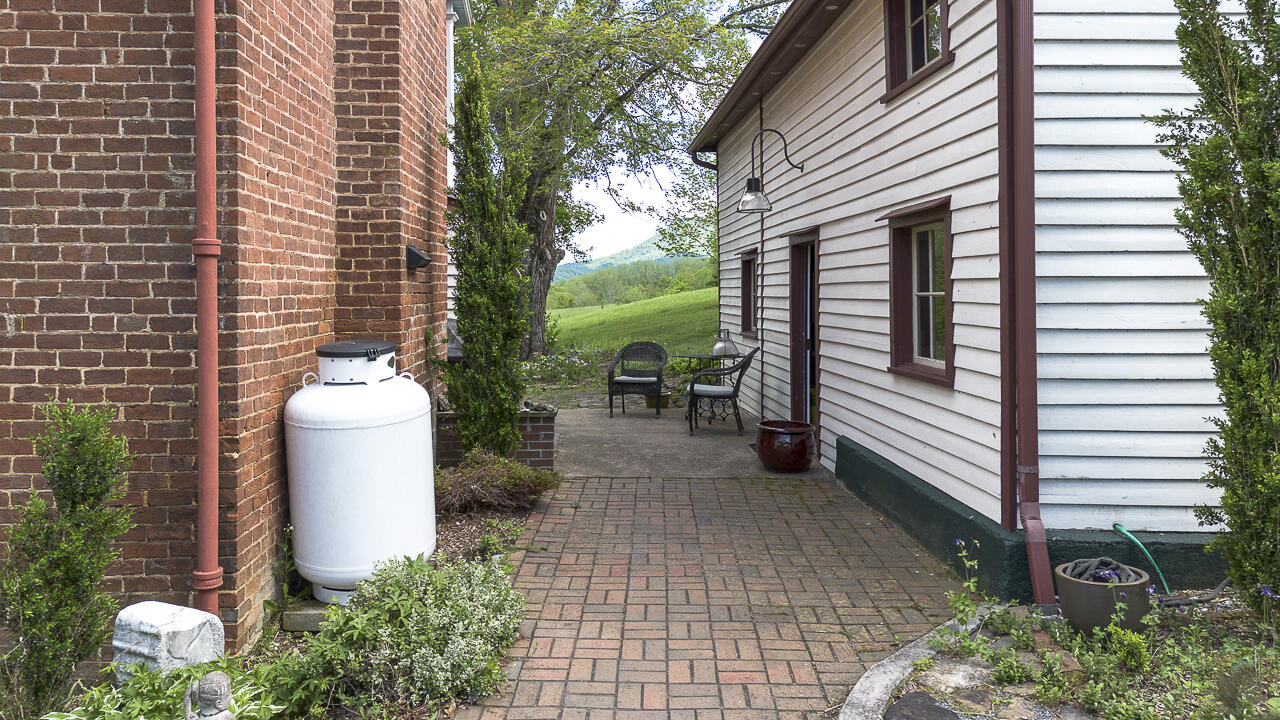
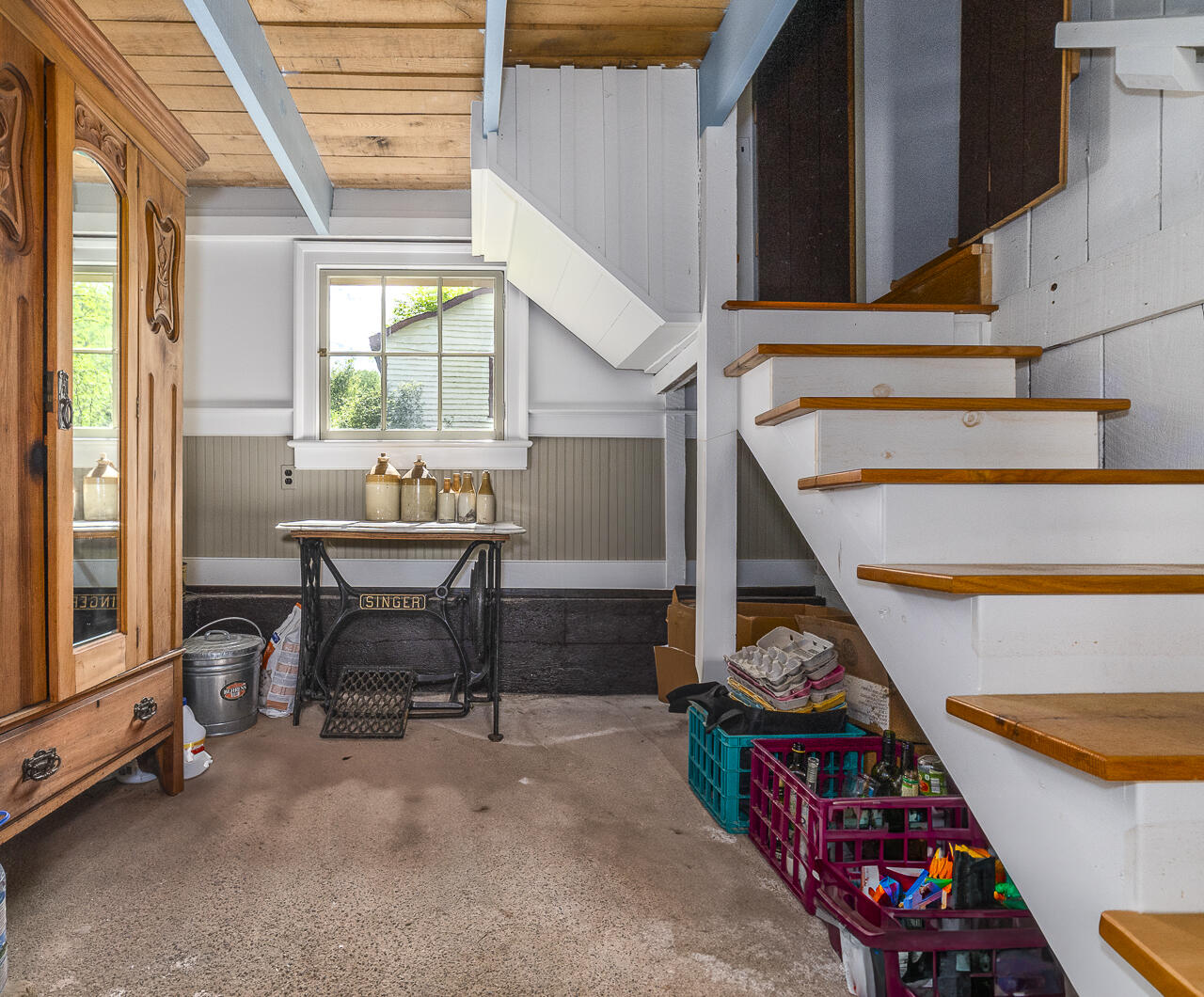
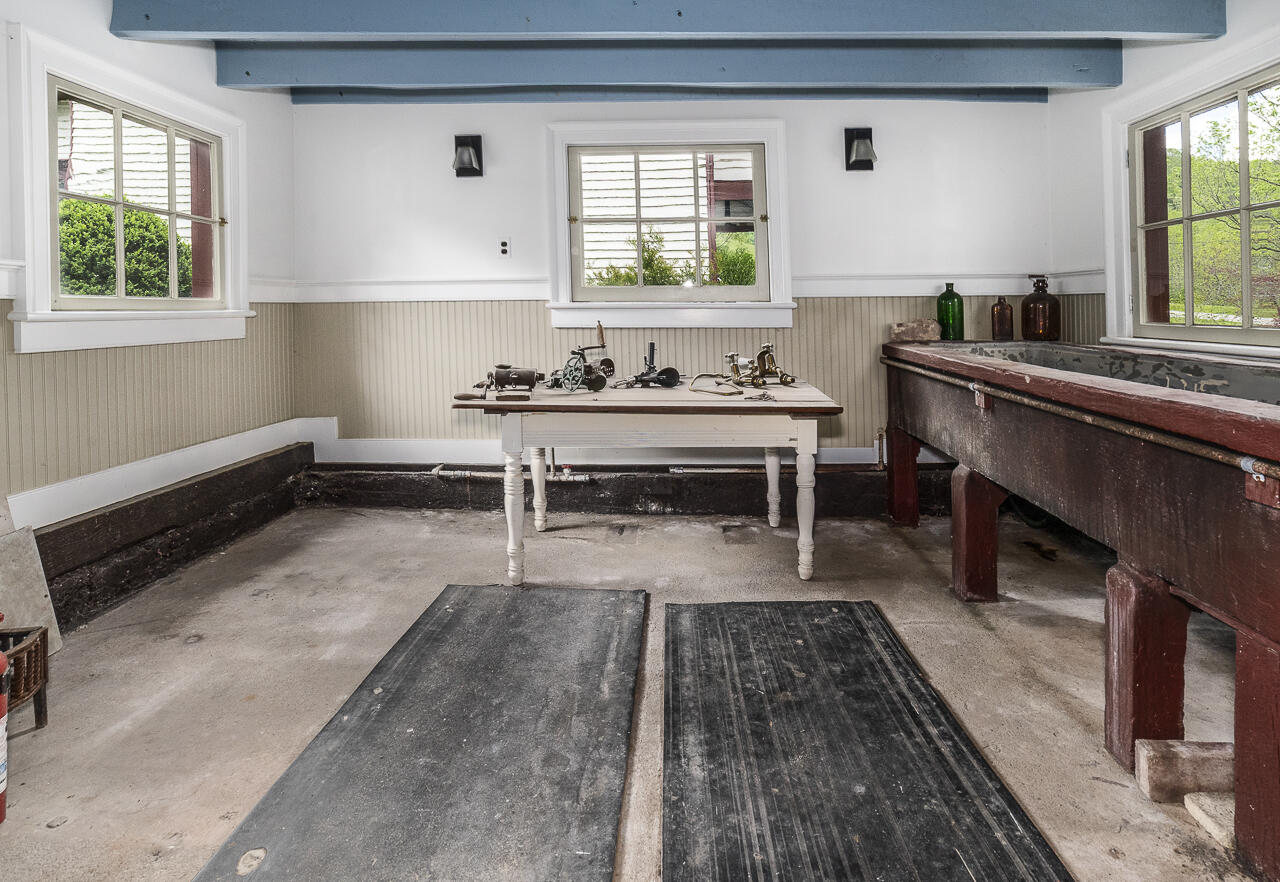
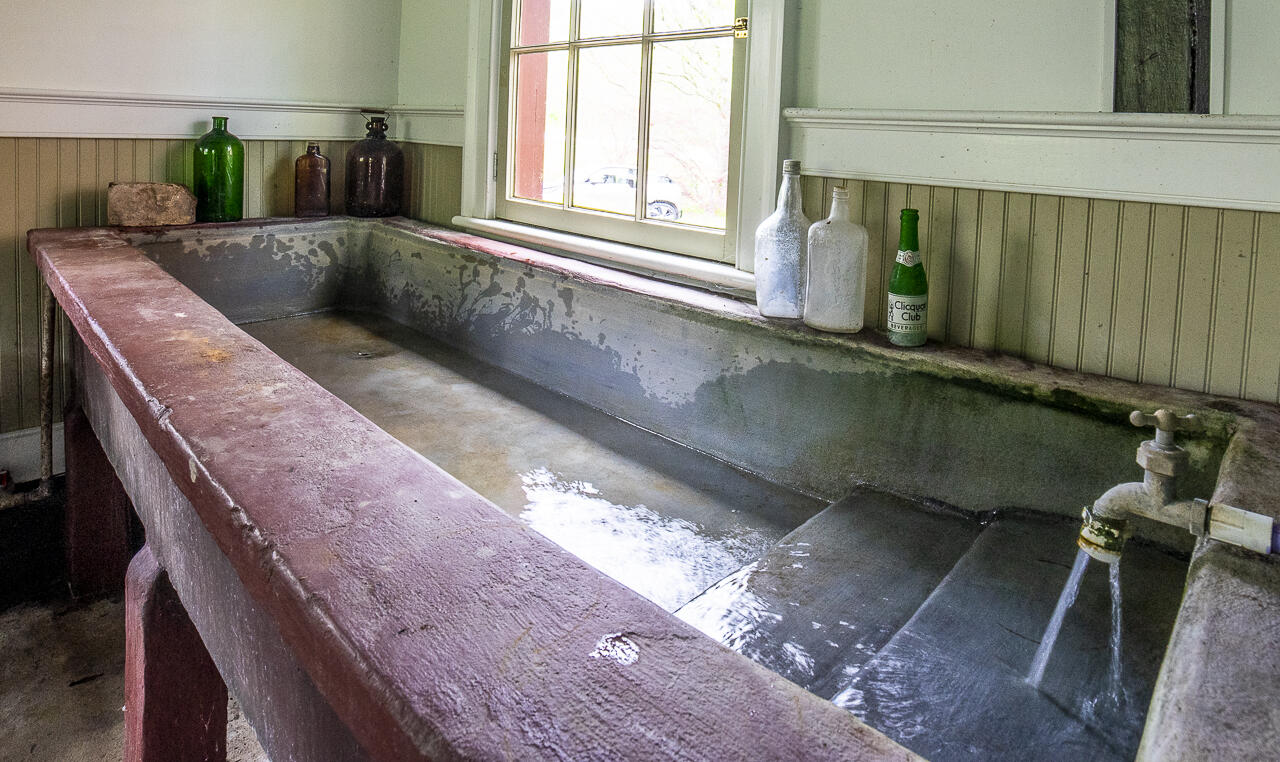
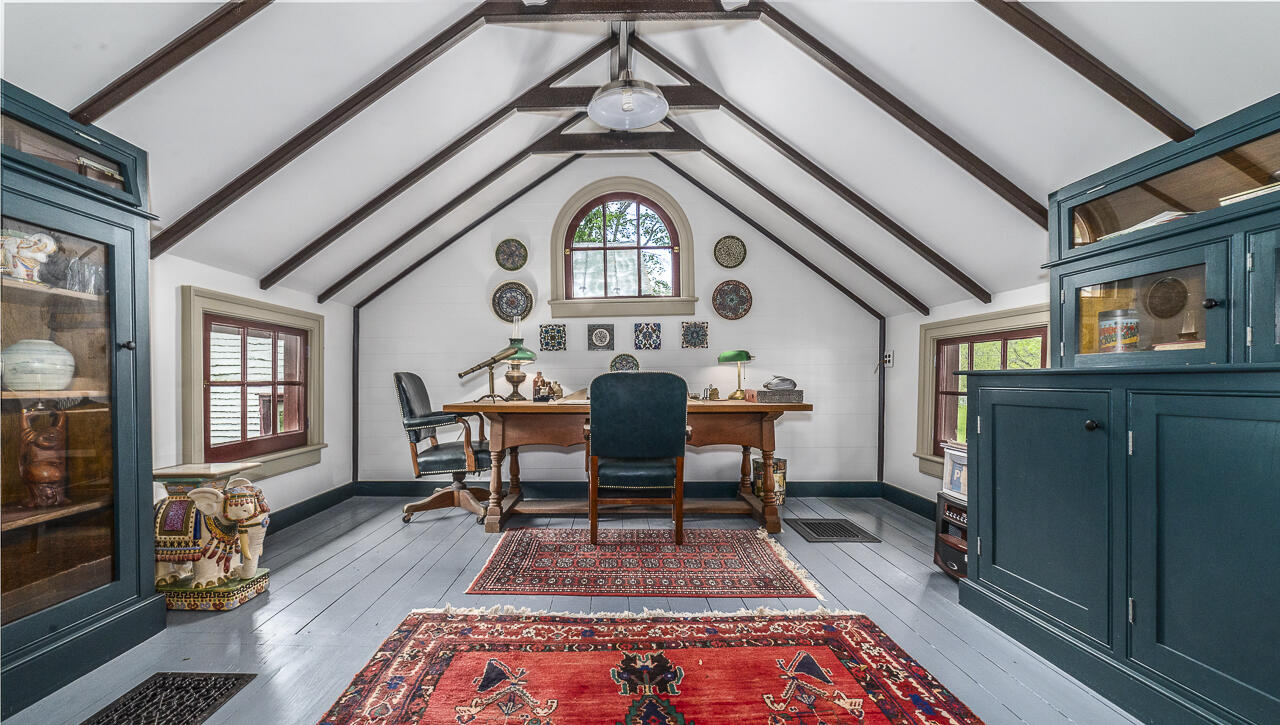
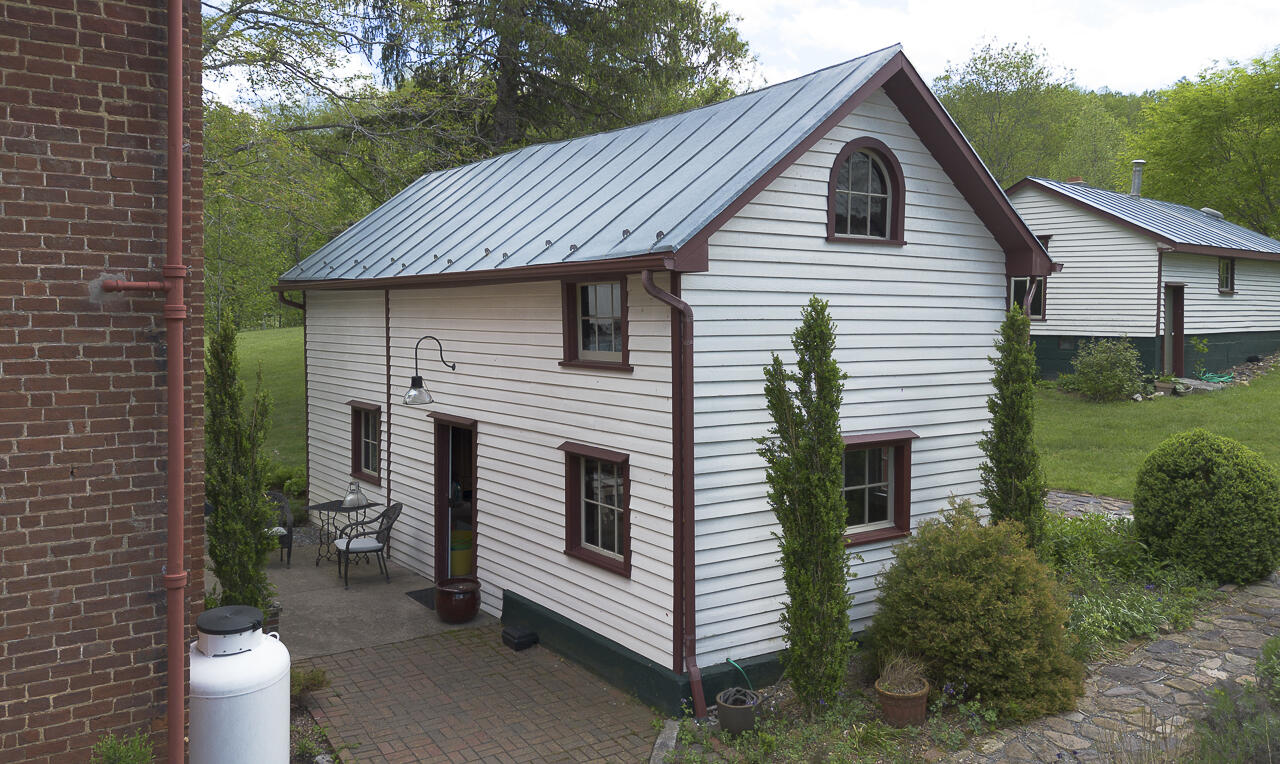
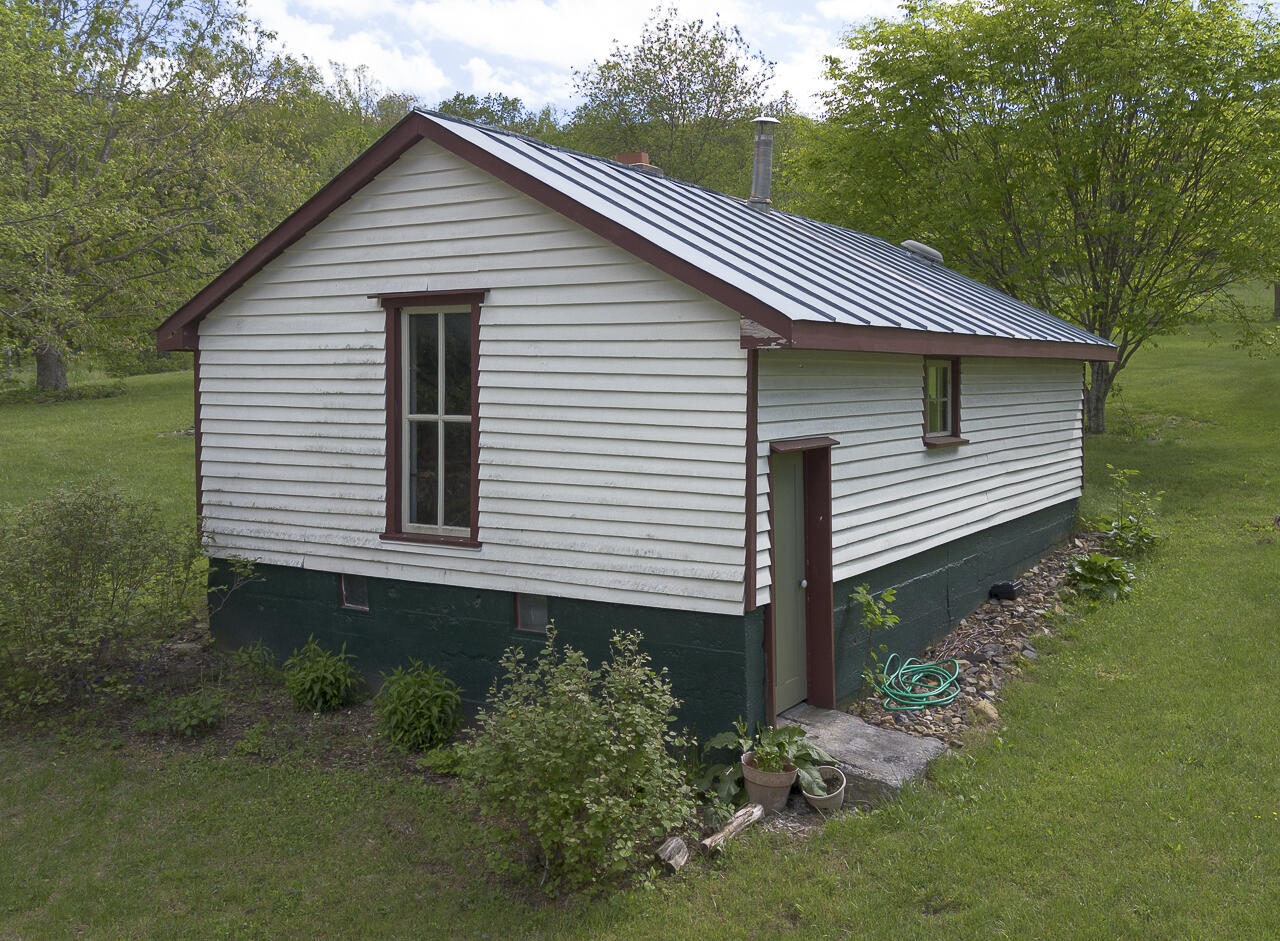
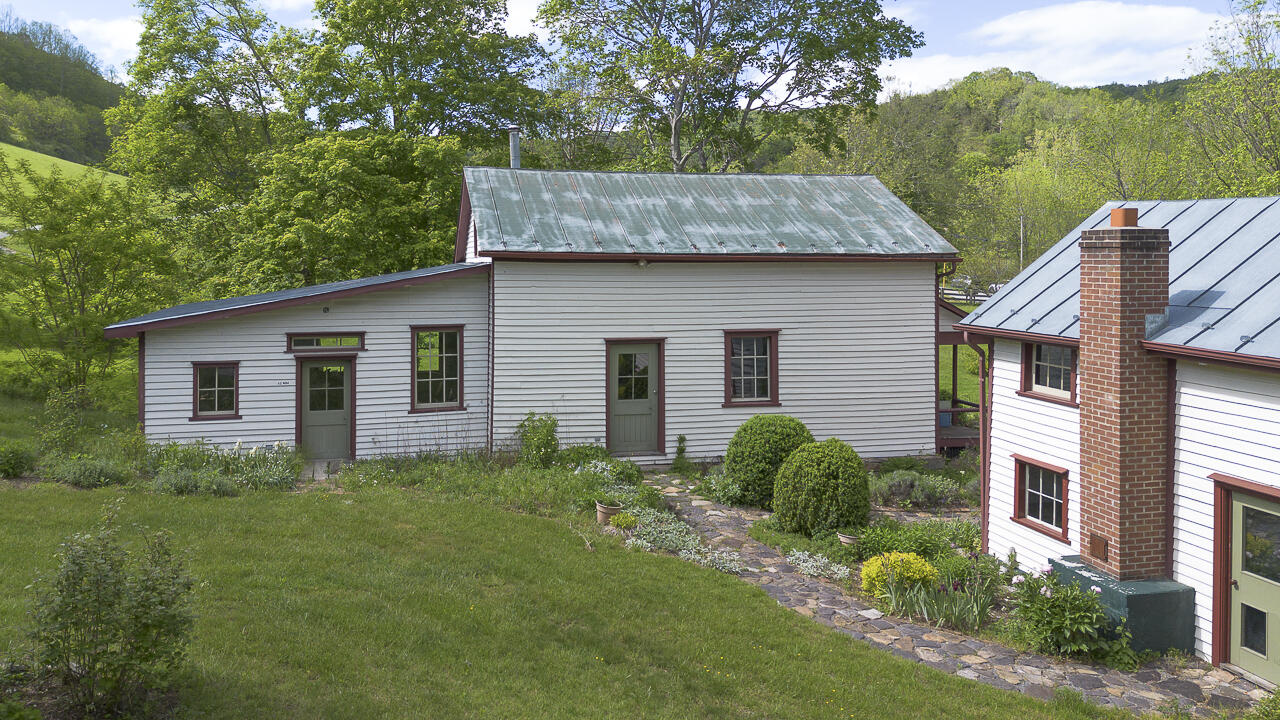
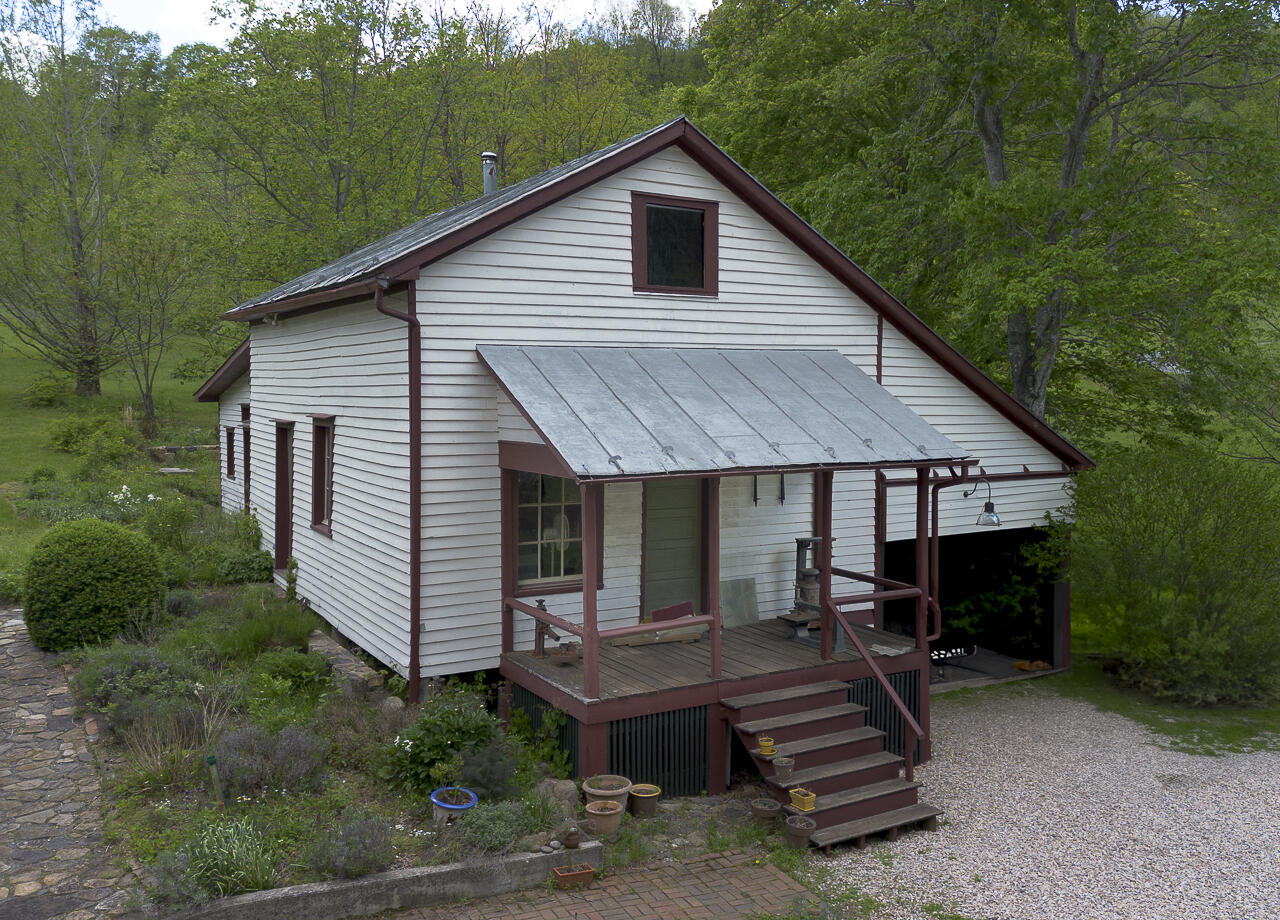
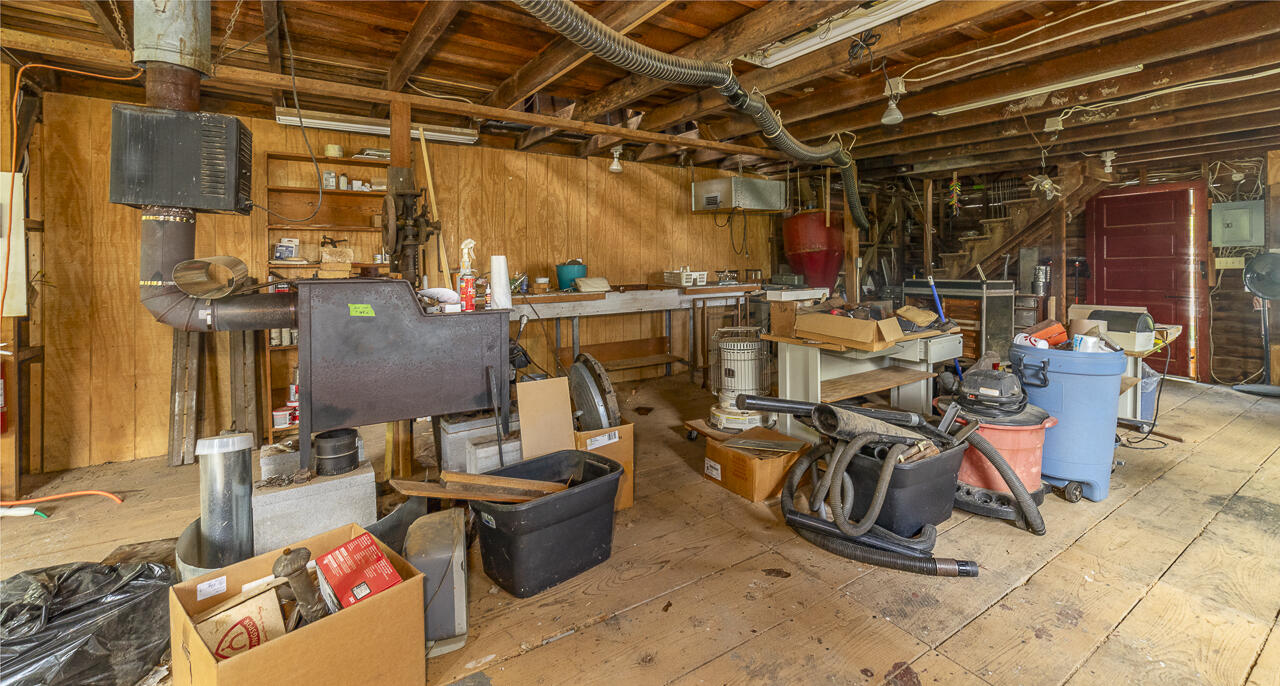
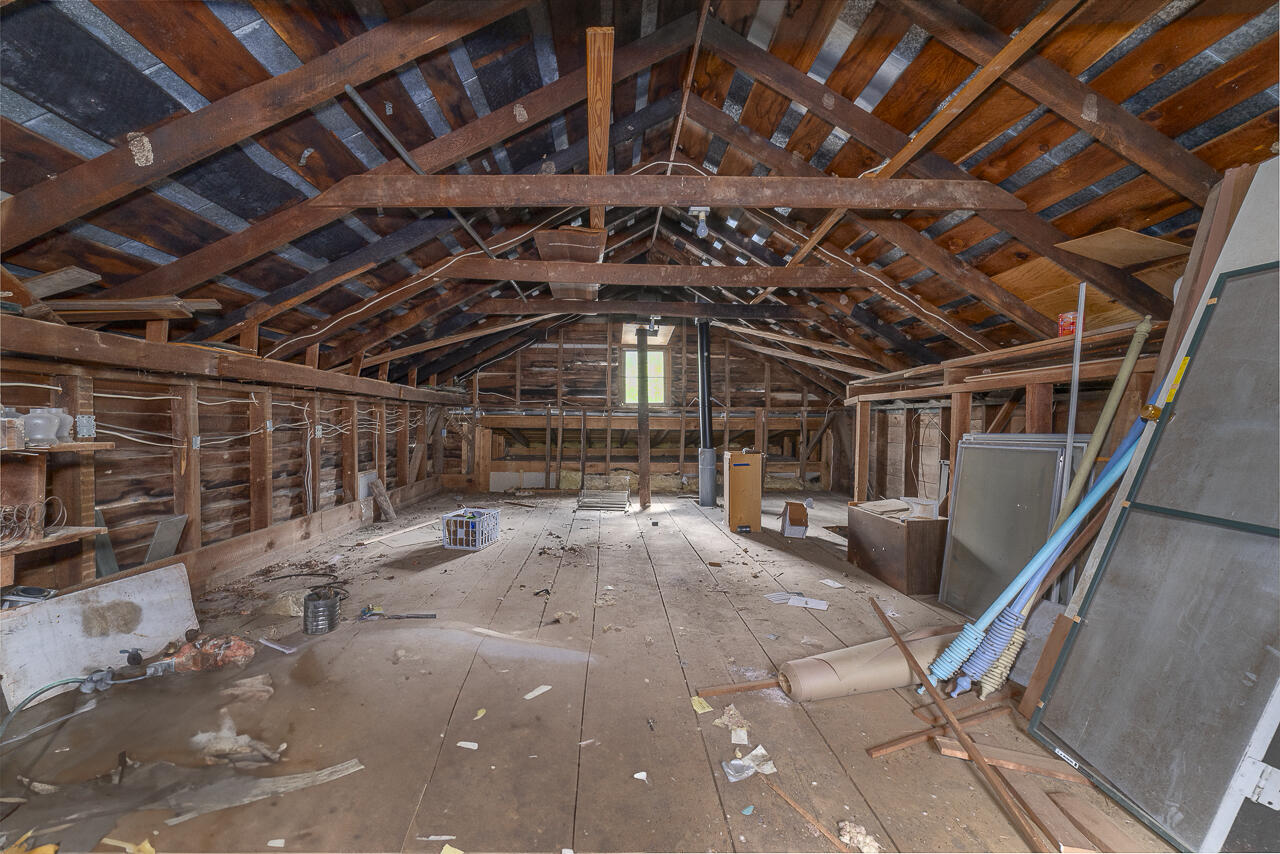
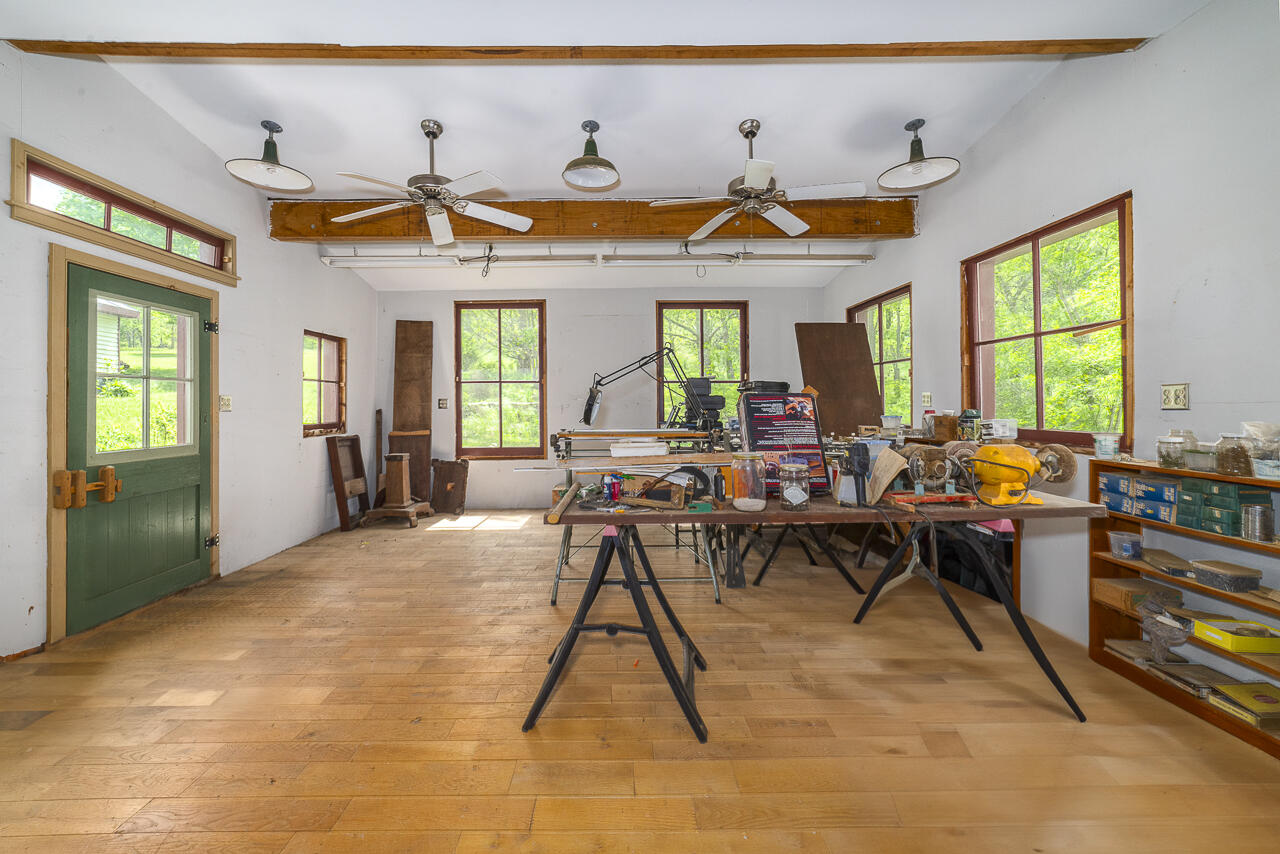
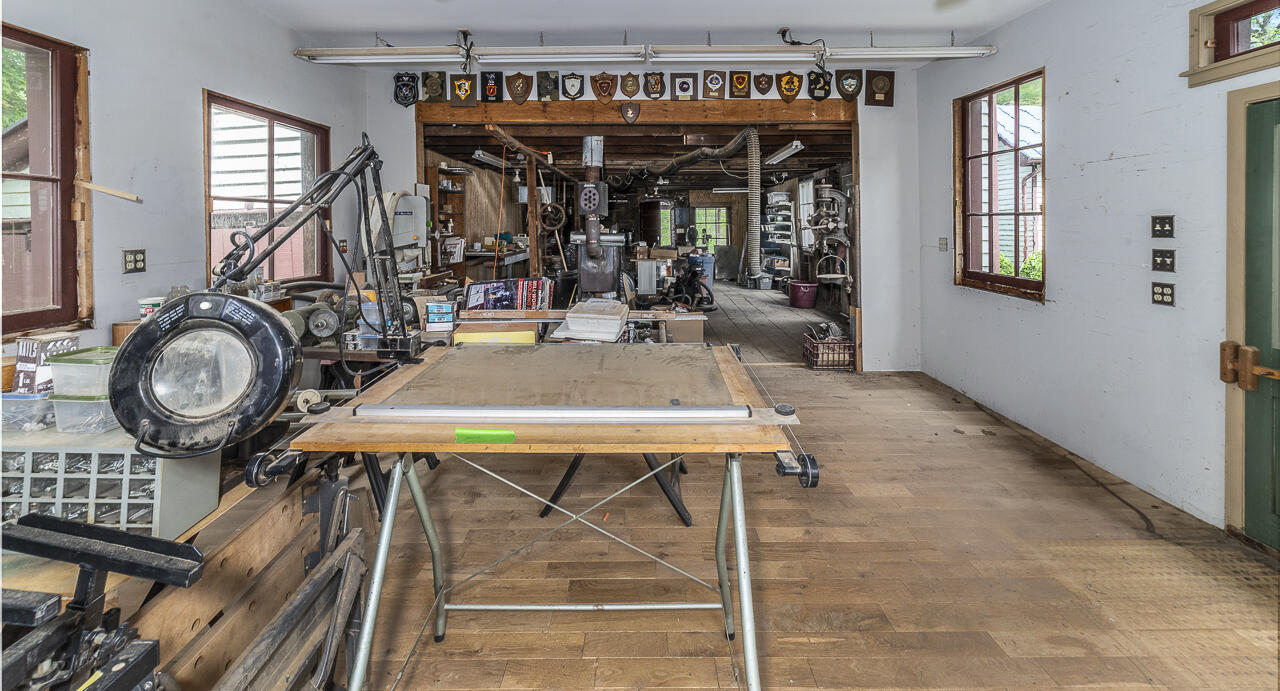
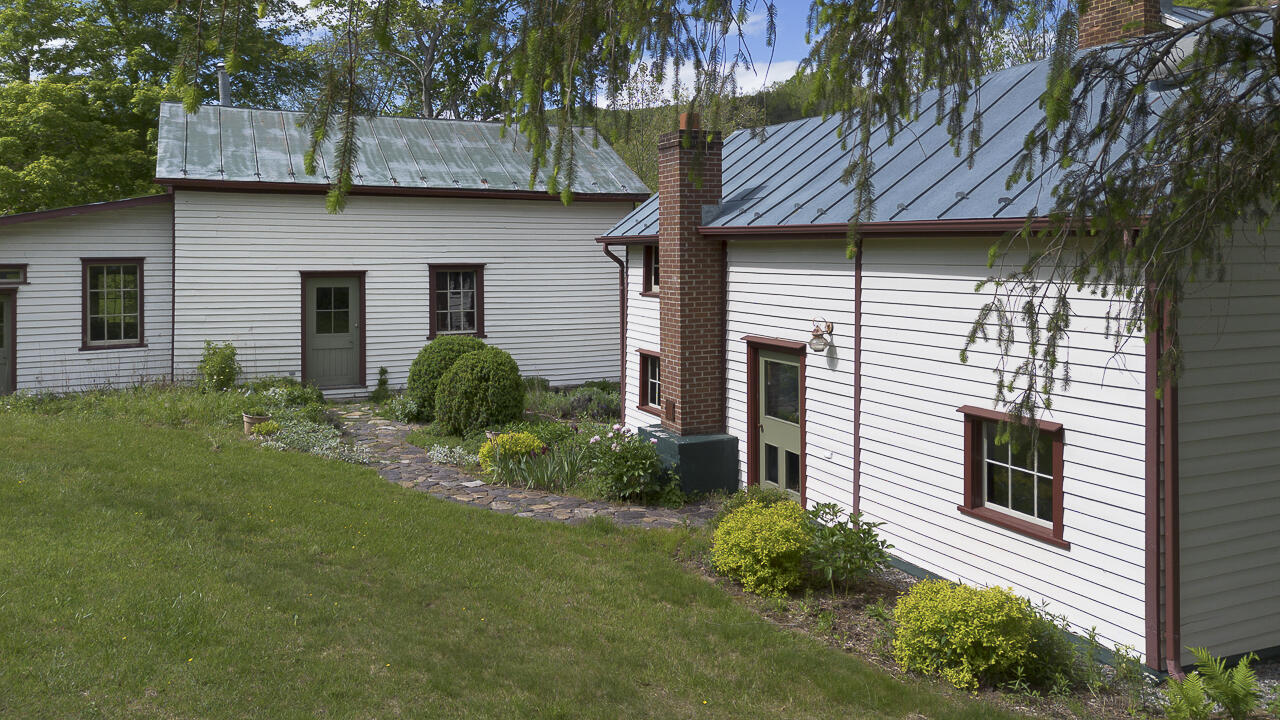
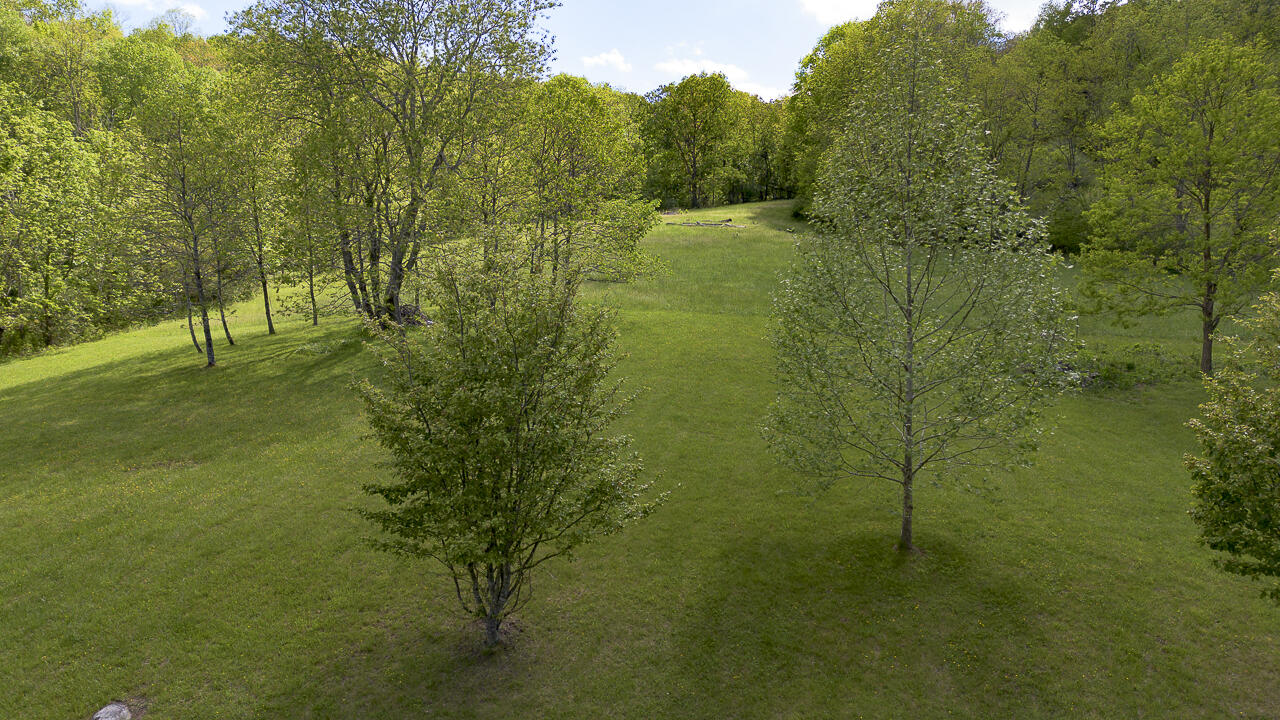
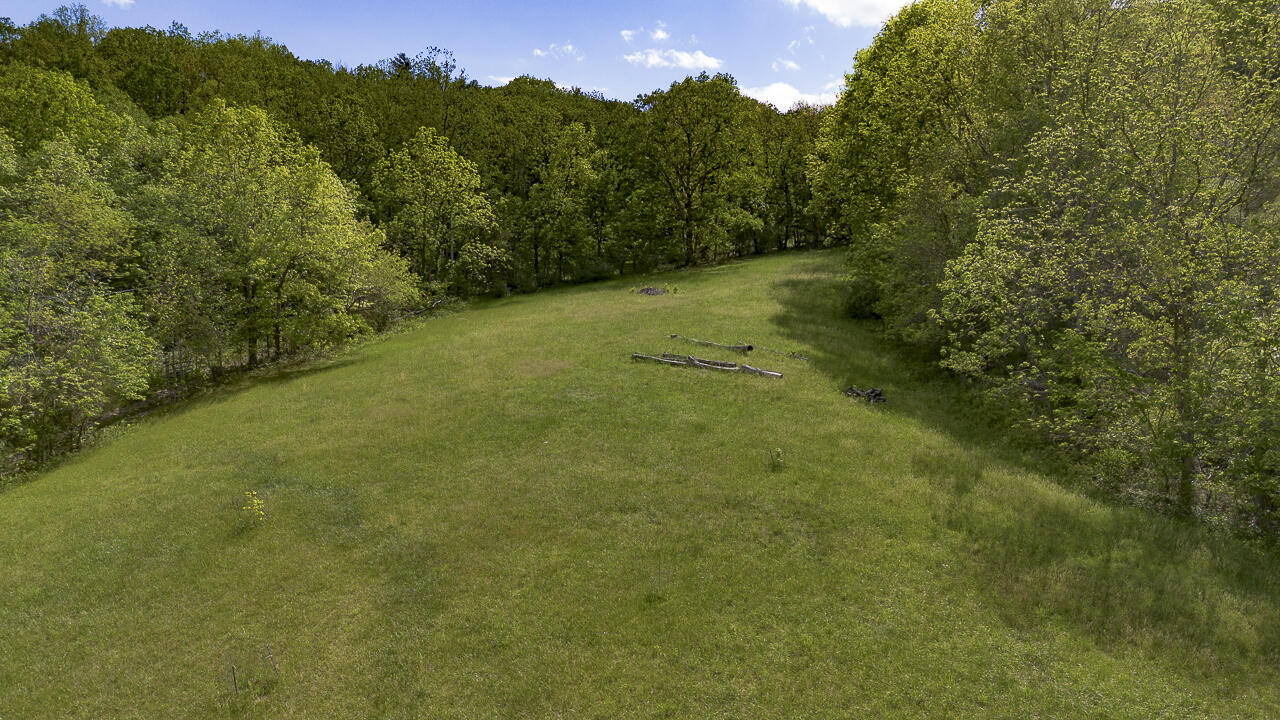
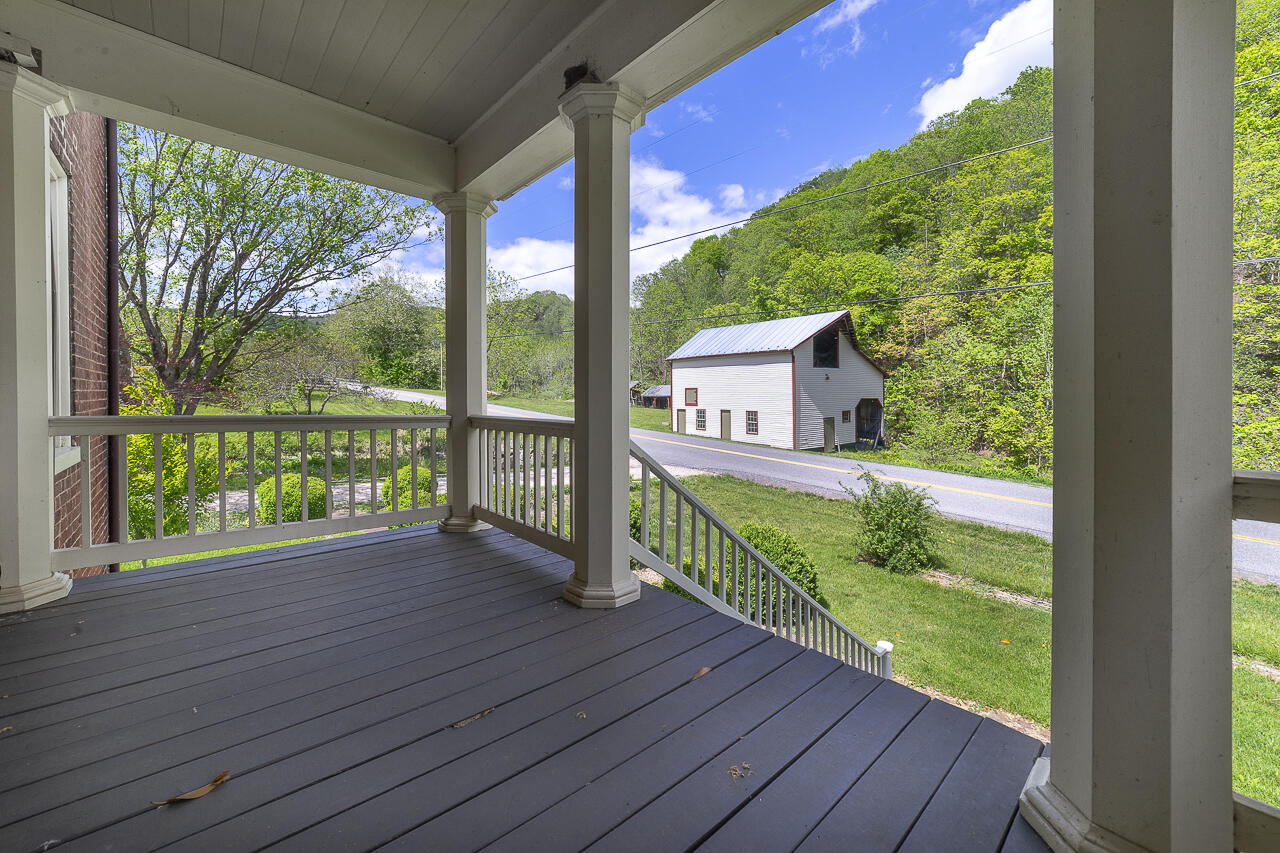
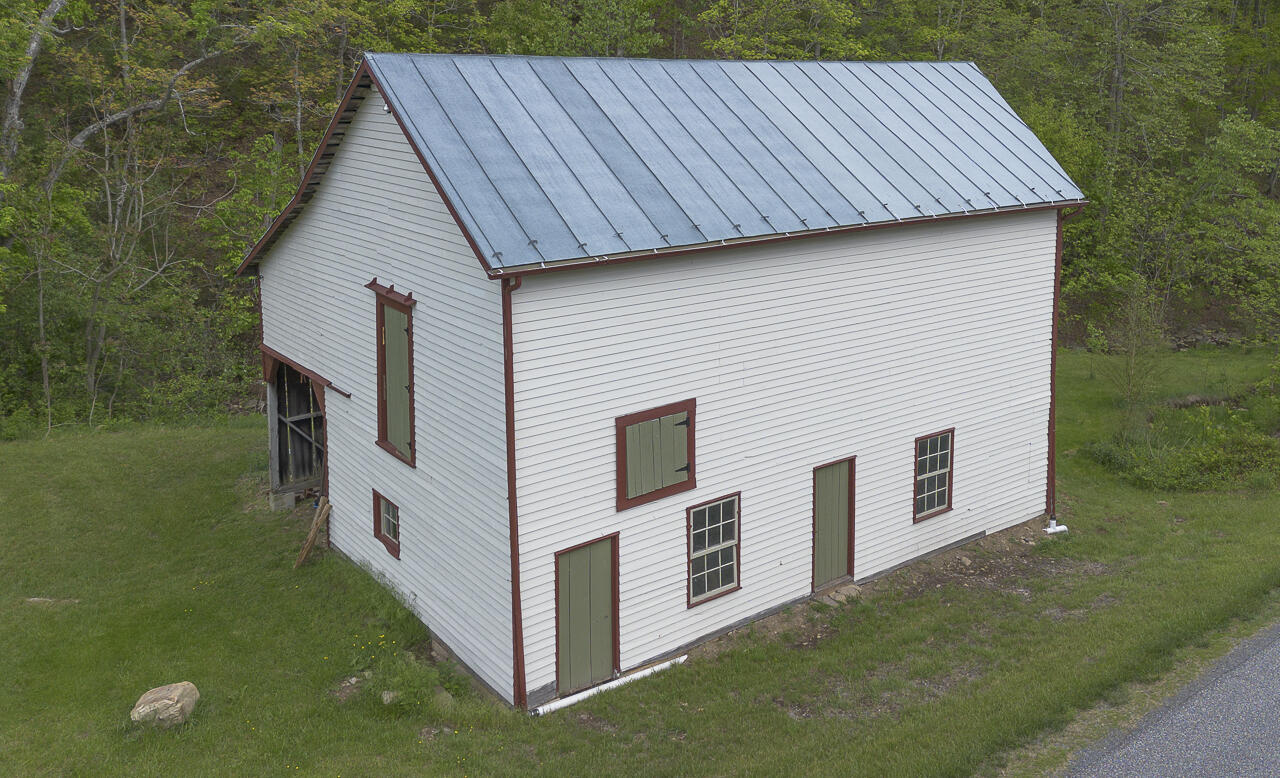
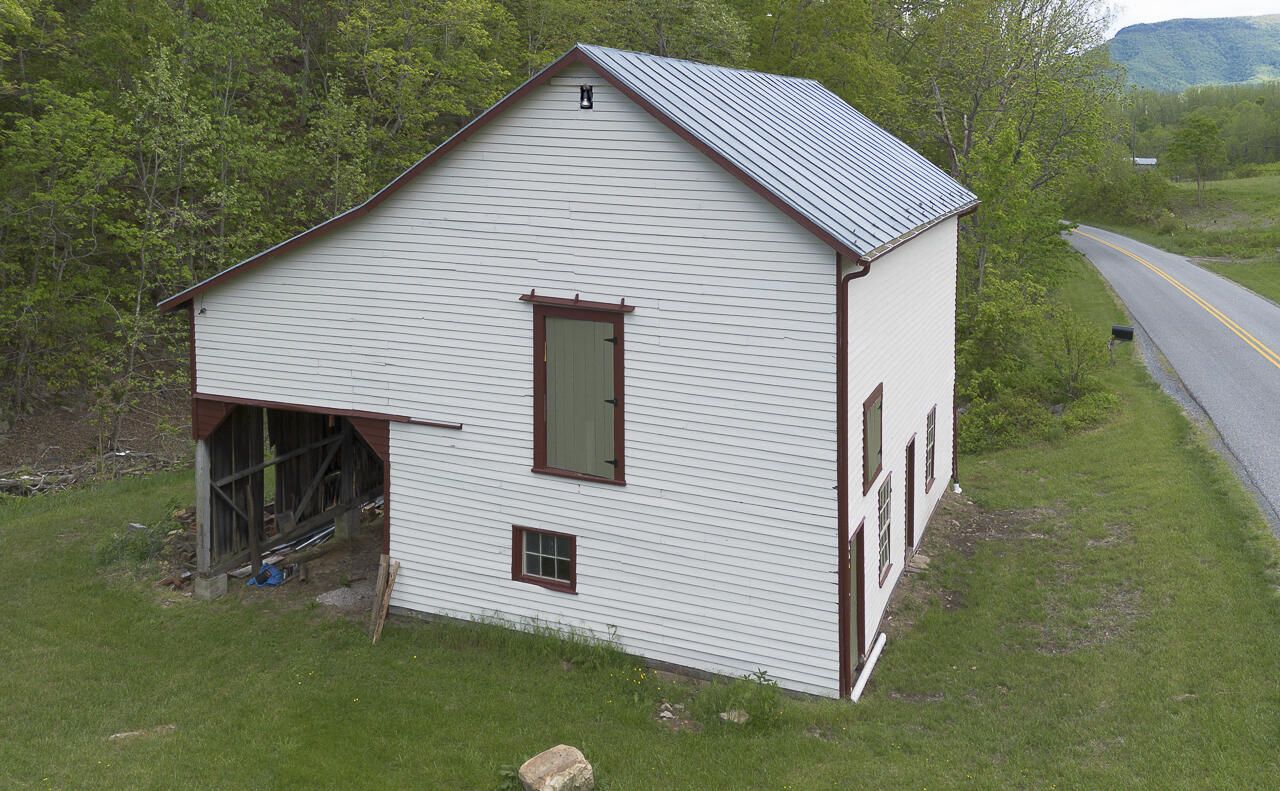
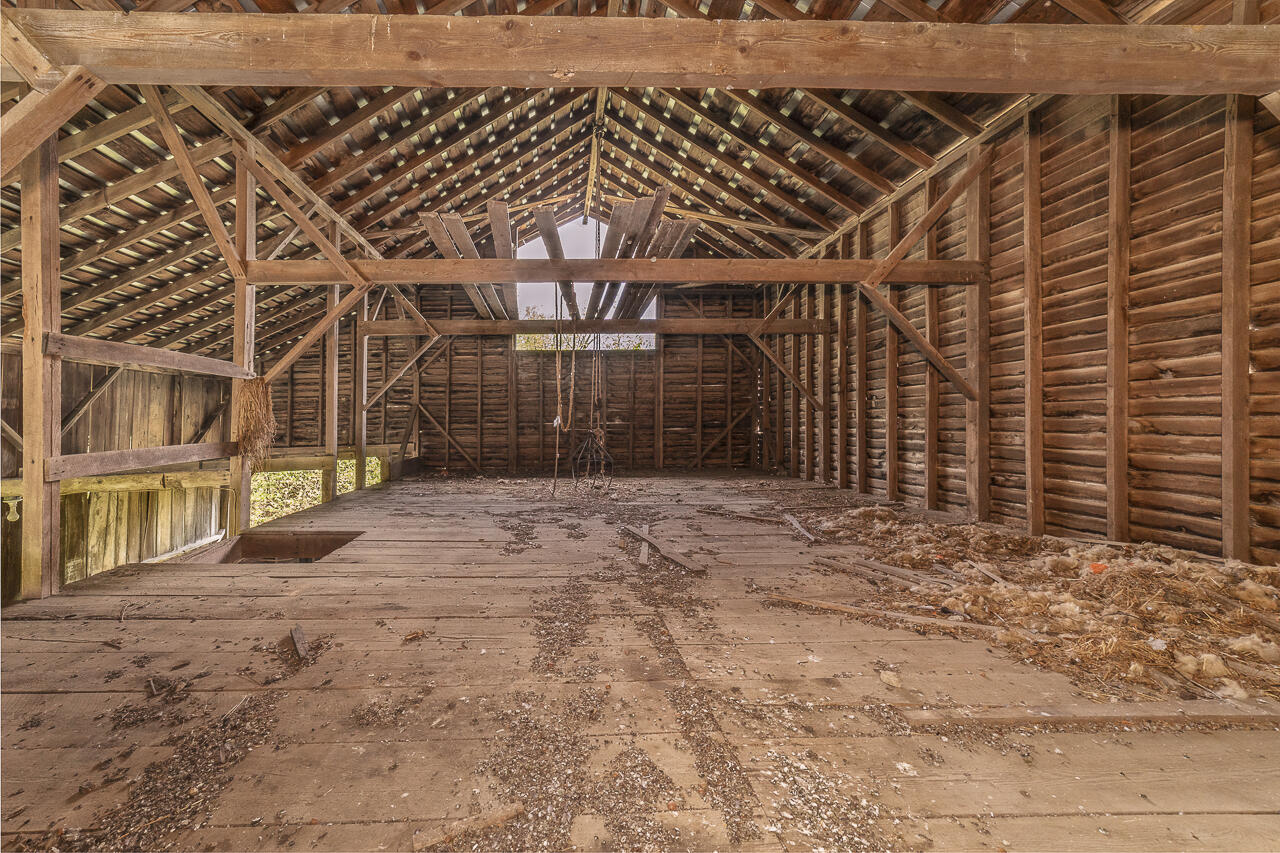
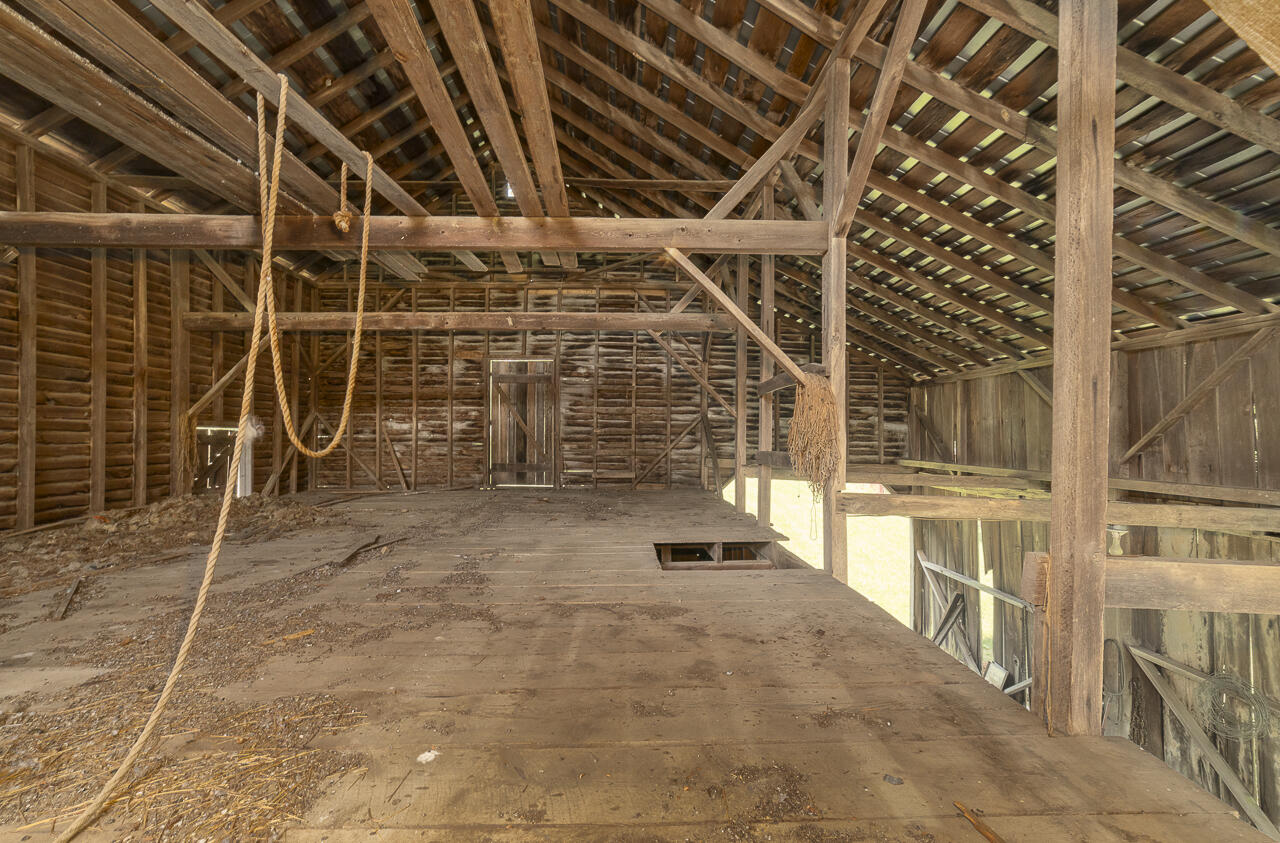
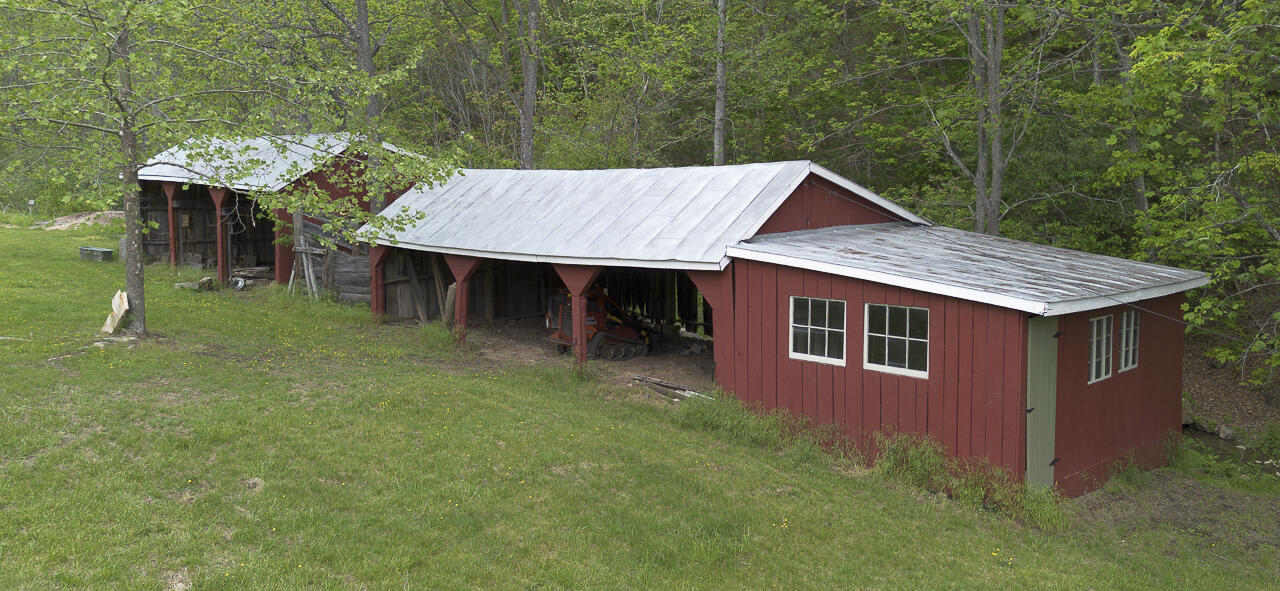
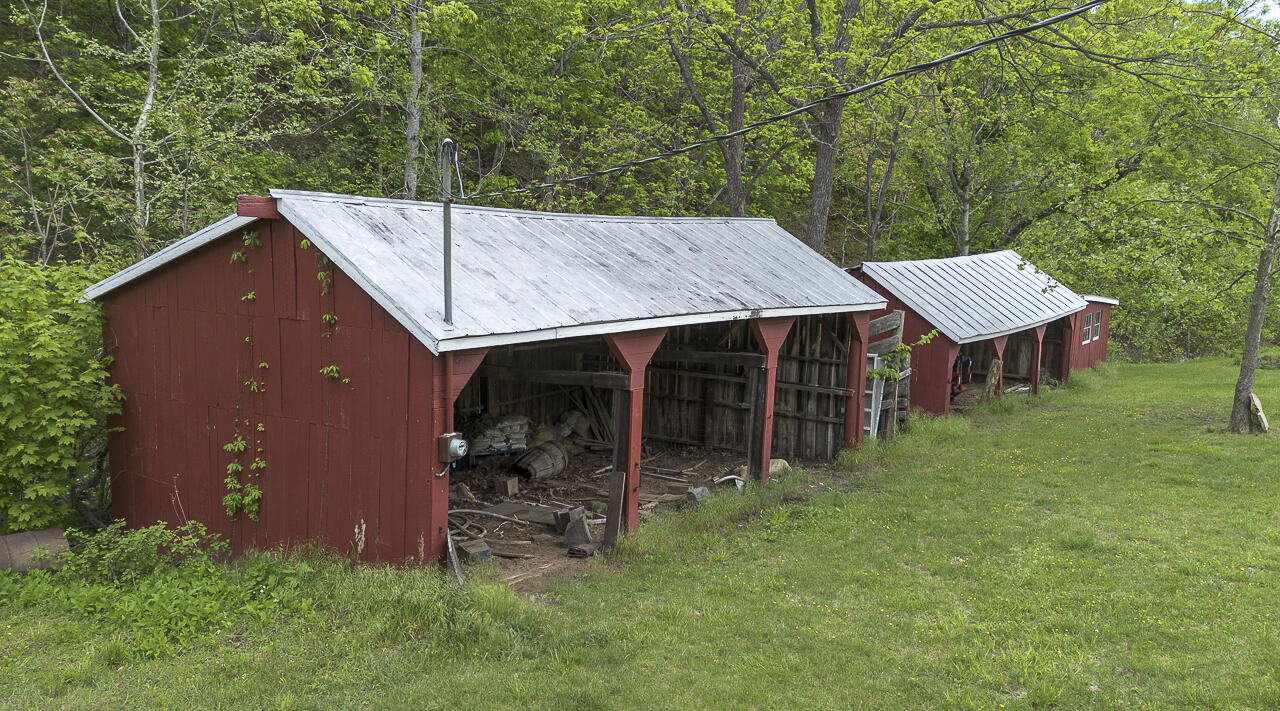
The property's outbuildings attest to the agricultural productivity of the farm over the years. Immediately behind the house is a 2-level meat house/springhouse, which includes workspaces downstairs, with storage and an office/studio space upstairs. The larger room on the 1st level includes a spring-fed cast-concrete trough, originally used to keep dairy products cool; and a cast-iron wood stove. A unique door between the 2 upper rooms is crafted from a salvaged shipping crate that was sent to Glasgow, VA, from England via New York. The office/studio includes finely crafted built-ins and an arched window salvaged from an old train station. Behind this outbuilding is a more recent furnace shed, which housed the equipment for the home's hot water radiator heating system (no longer in use). It would make a fine garden shed or storage building. Alongside these 2 outbuildings is the farm's 2-level granary (most recently used as a woodworking shop), which was assembled from components of the former Waterloo School and expanded with a rear shed addition and a covered parking area. The building's expansive interior spaces and quaint front porch make it adaptable to many modern uses. Across the road, bordering two sides of a small pasture, stand a heavy-timber braced-frame barn with an upper-level hay mow and lower-level livestock pens/stalls, a machinery shed, and a stable/machinery shed. Landscape features of the property include open pastures beside and above the house, a spring-fed pond, Kerr's Creek, and a wooded hillside behind the barn.
The house was most likely built during the ownership of Samuel Miller (b. 1782-d. 1862), one of many Millers who lived in the Kerr's Creek Valley in the 19th century. According to the 1850 census, the Miller household consisted of Samuel, his wife Mary, and 7 children (4 daughters, 3 sons) between the ages of 14 and 25. Miller's main occupation was as a farmer; he engaged in diversified agriculture, raising crops (wheat, corn, and rye) and rearing livestock (cattle, milk cows, sheep, and swine). He also was a shareholder in the Millboro and Carr's [sic] Creek Turnpike. The former turnpike, now a section of US Route 60 and locally named West Midland Trail, traverses the property. After Samuel Miller's death, his heirs retained ownership of the farm, including the homeplace, until 1907, when it was sold to G.W. Graham. Graham sold the property to H.T. Knick in 1909, and members of the Knick family owned the property through the late 1970s. Milton Clarke purchased the house and 125 acres from Clara Knick in 1978, and in 1993 Clarke sold 10 acres with the house to David Buckner and Anne Riffey-Buckner. Over the past 30+ years the Buckners painstakingly restored the home, repaired and updated the outbuildings, and installed ornamental, herb, and native plant gardens around the grounds. This spectacular property is move-in ready, and now awaits its next stewards.
Some of the updates completed since 1993:
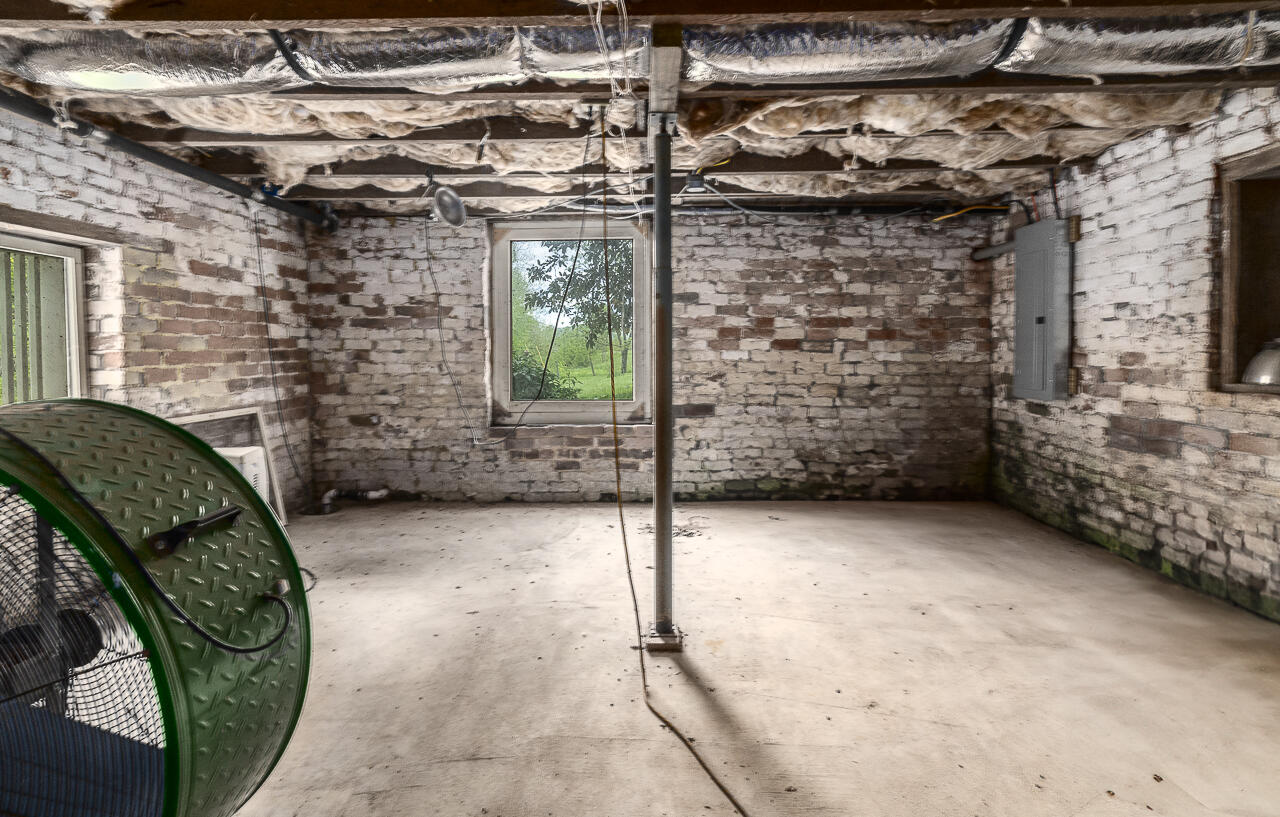
- Energy efficiency: crafted and installed custom storm windows; insulated attic and basement; recently installed high-efficiency heat pumps for heating and cooling.
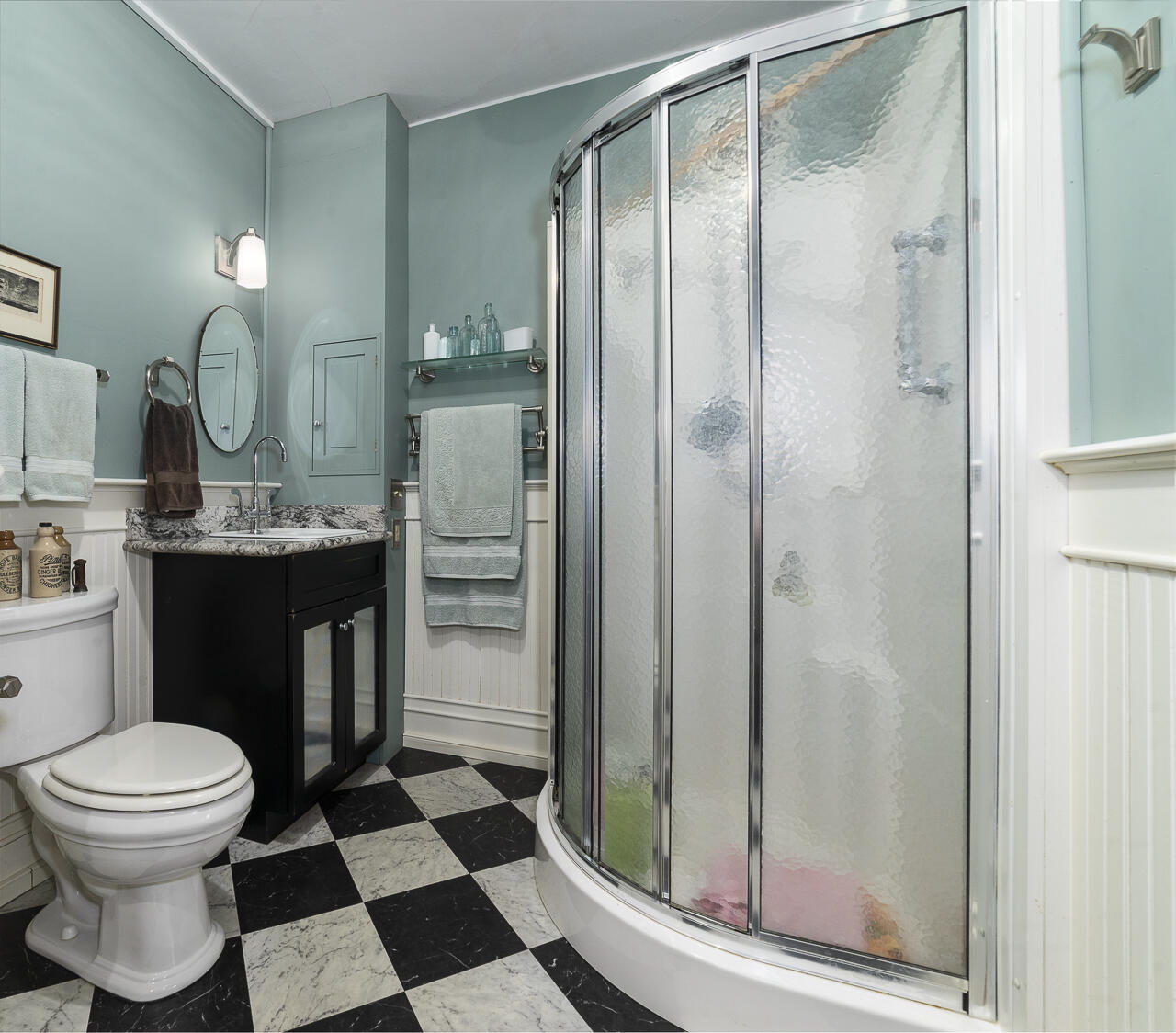
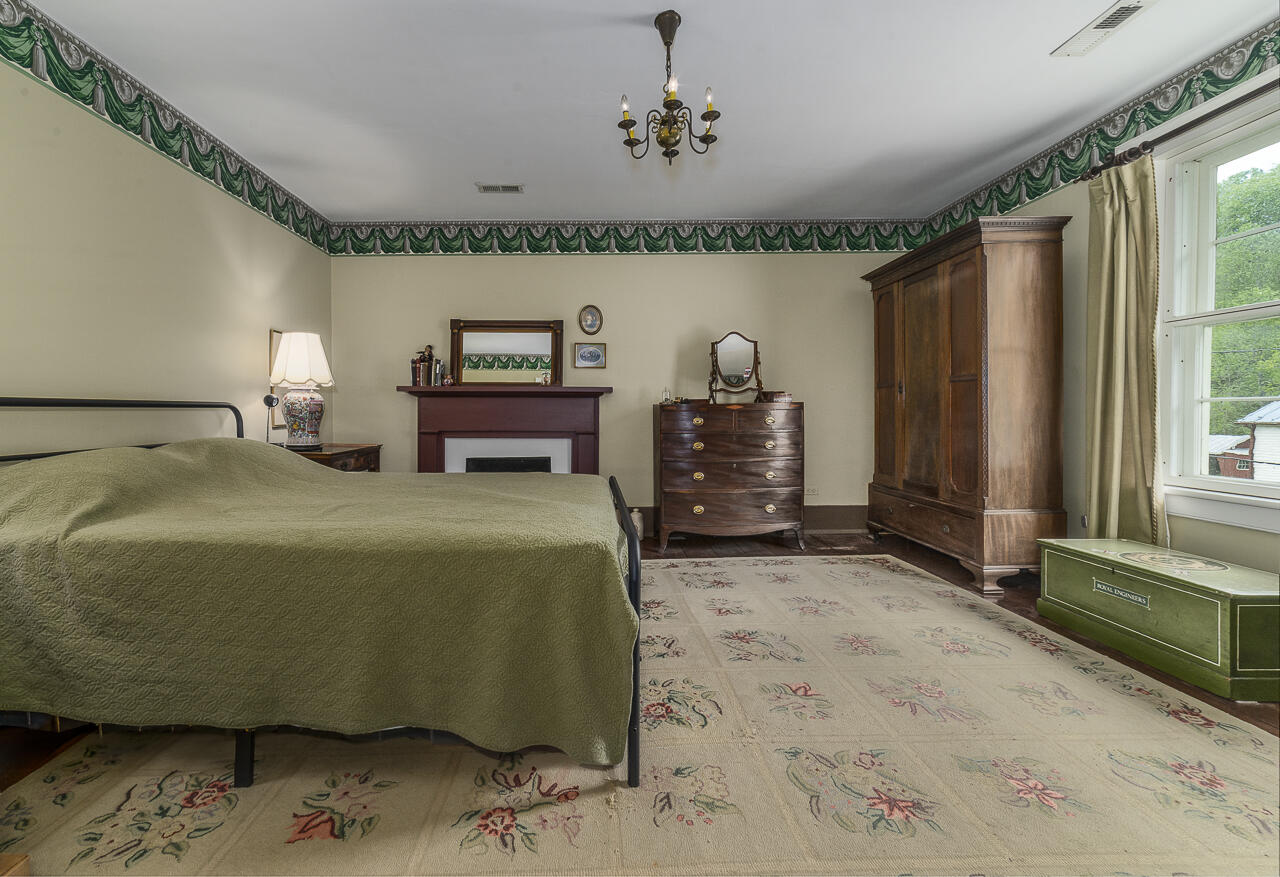
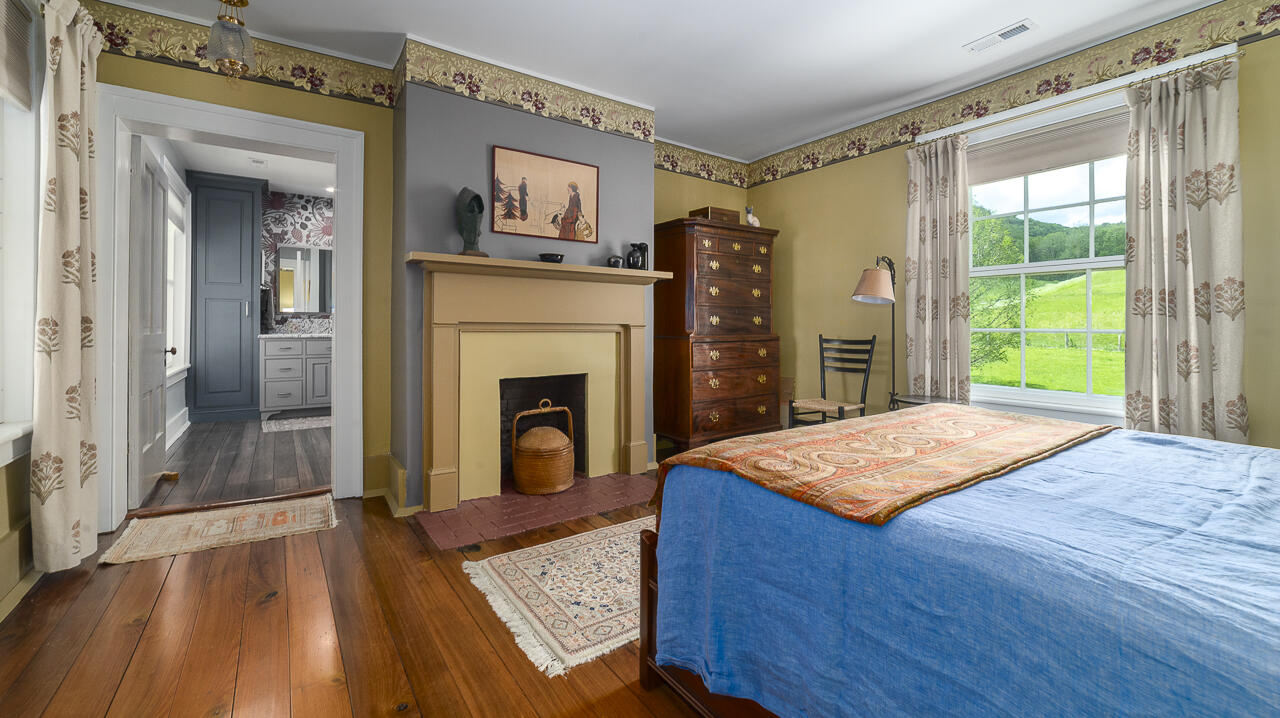
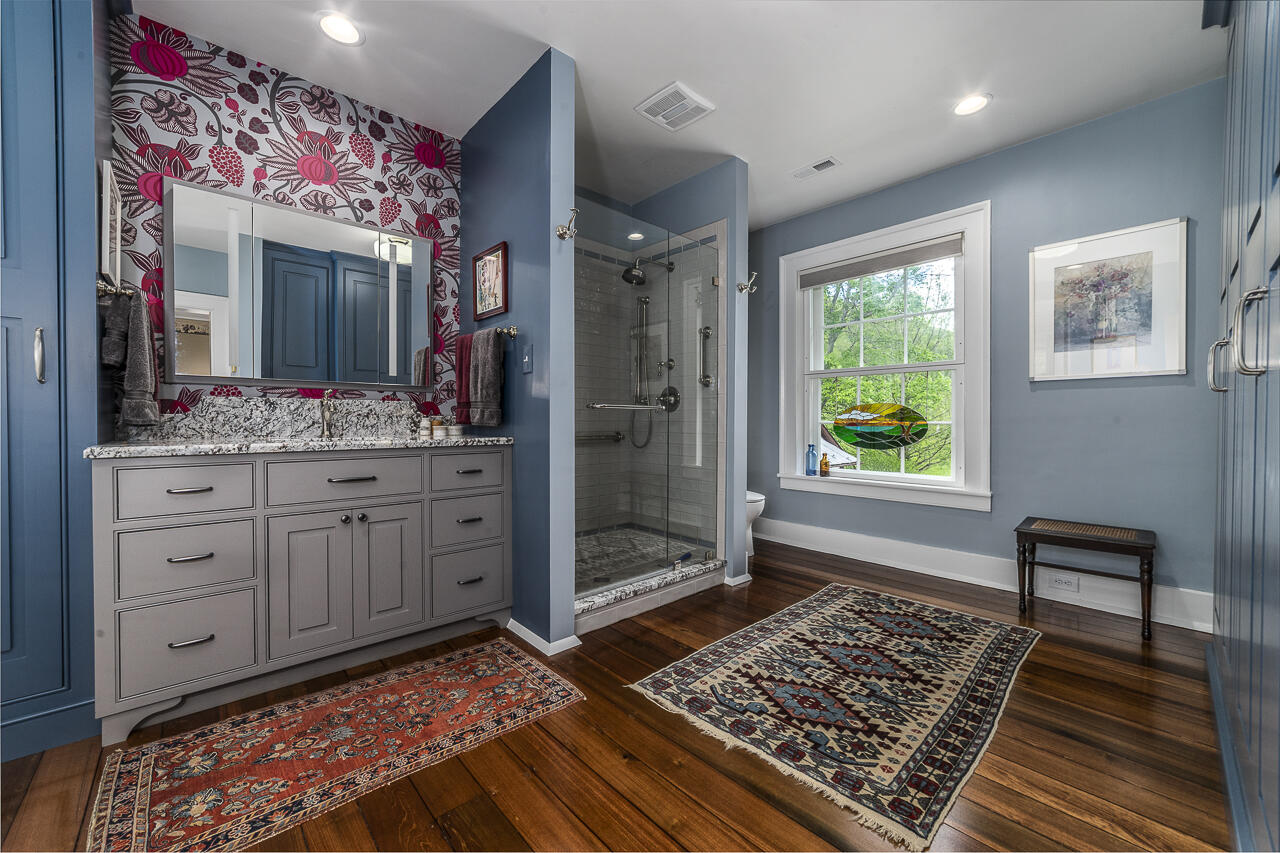
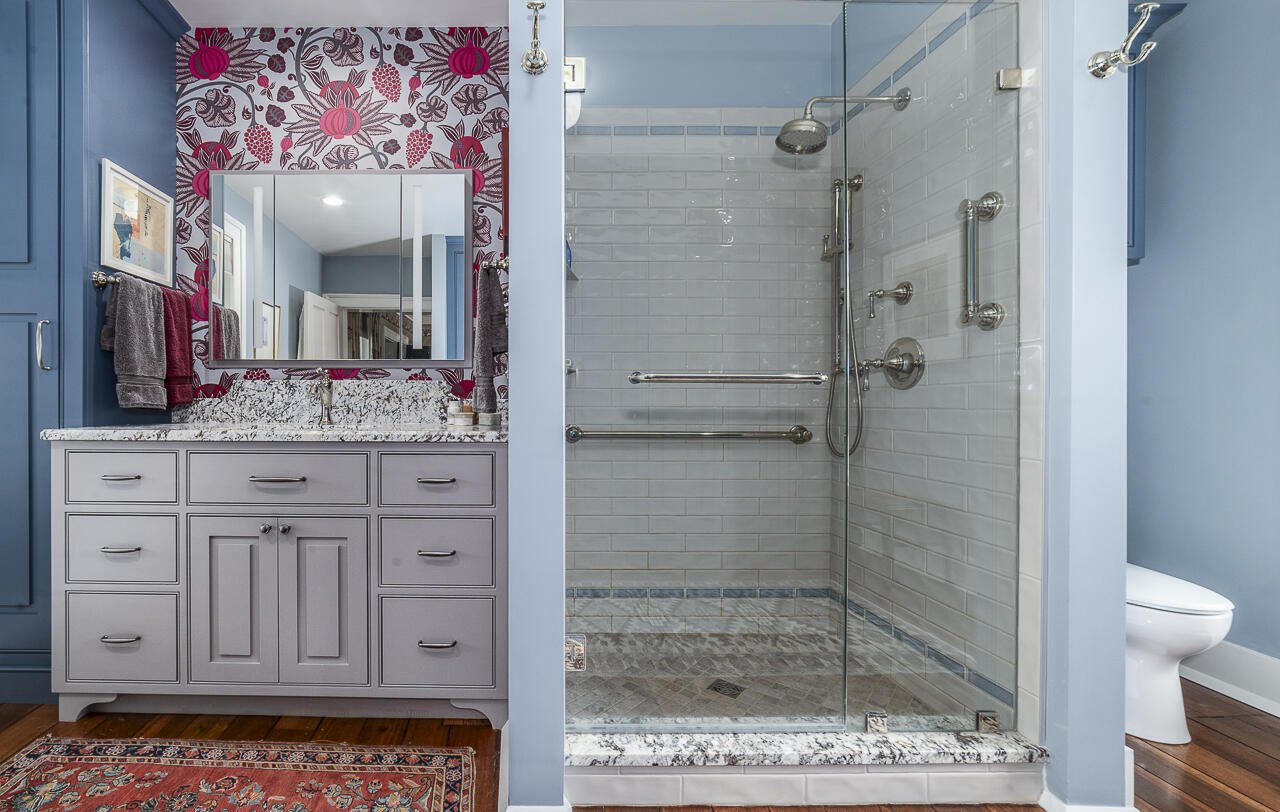
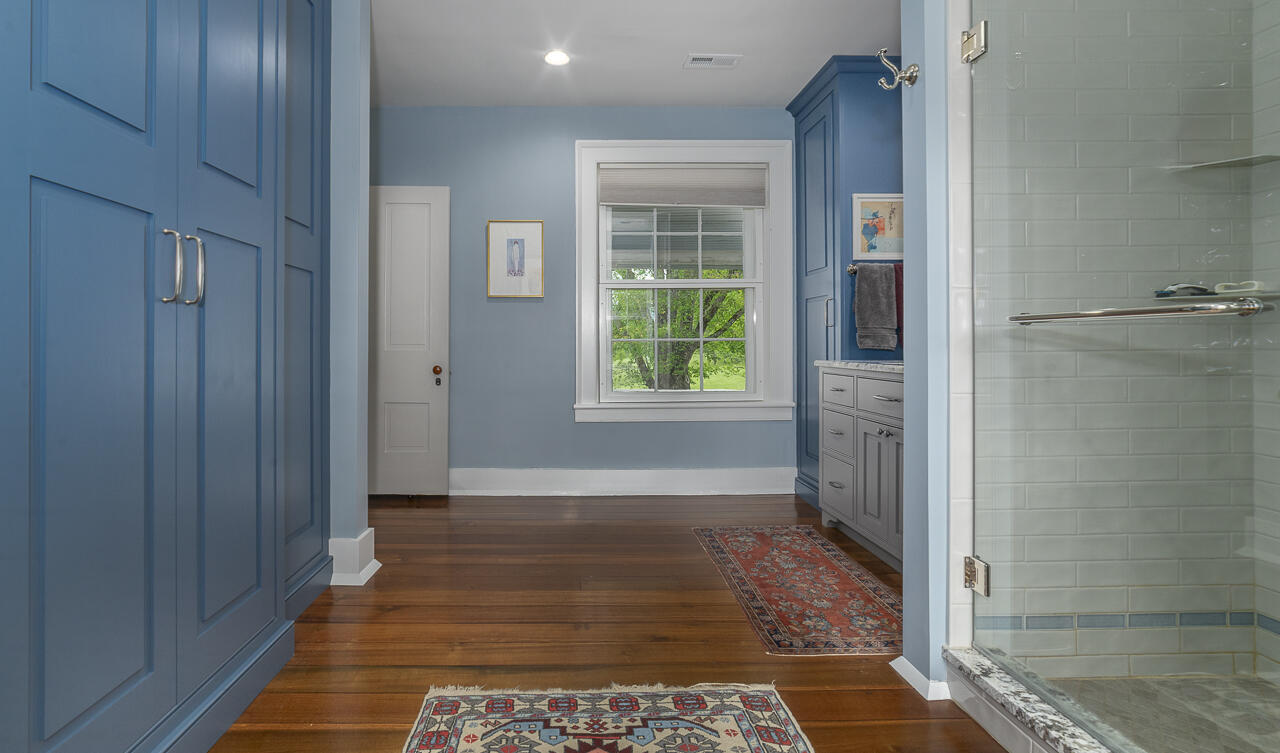
- 2nd floor primary suite, including new bathroom and built in wardrobes, completed in last 5 years.
- Selective brick and stone repointing by Michael Barry-Rec.
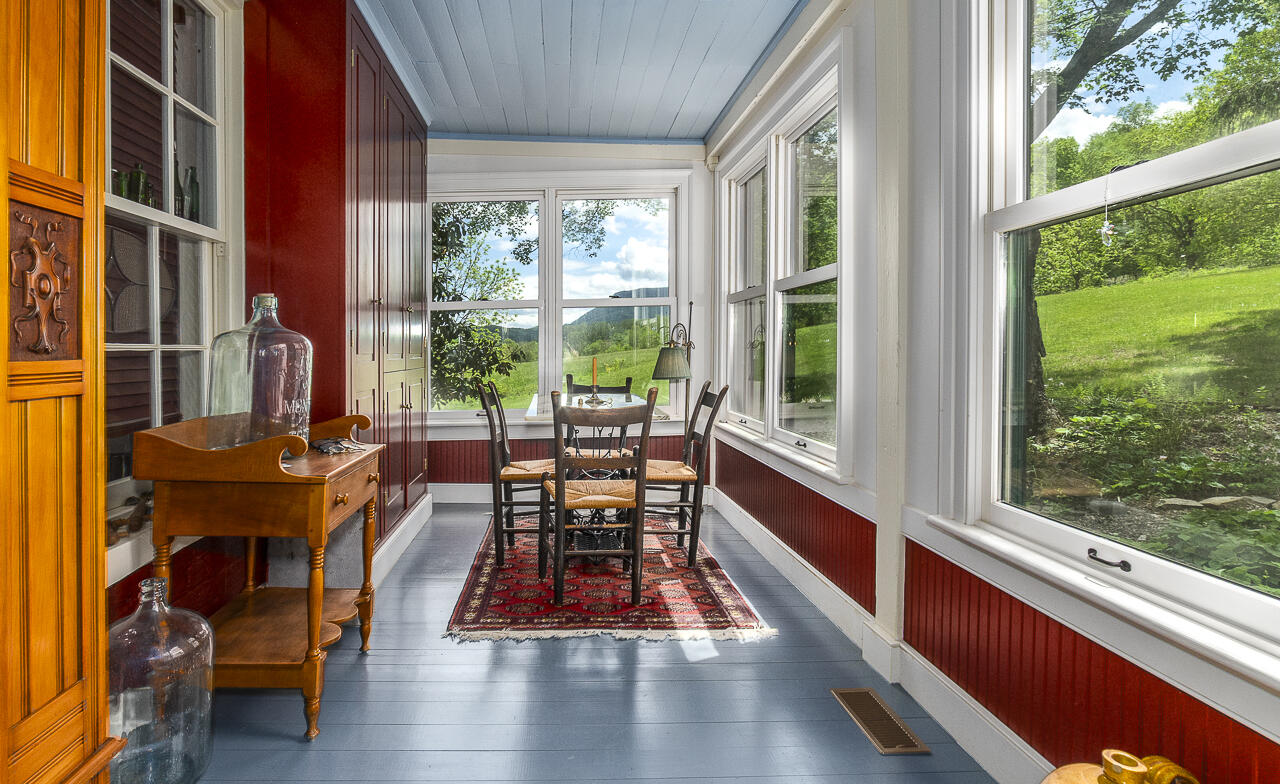
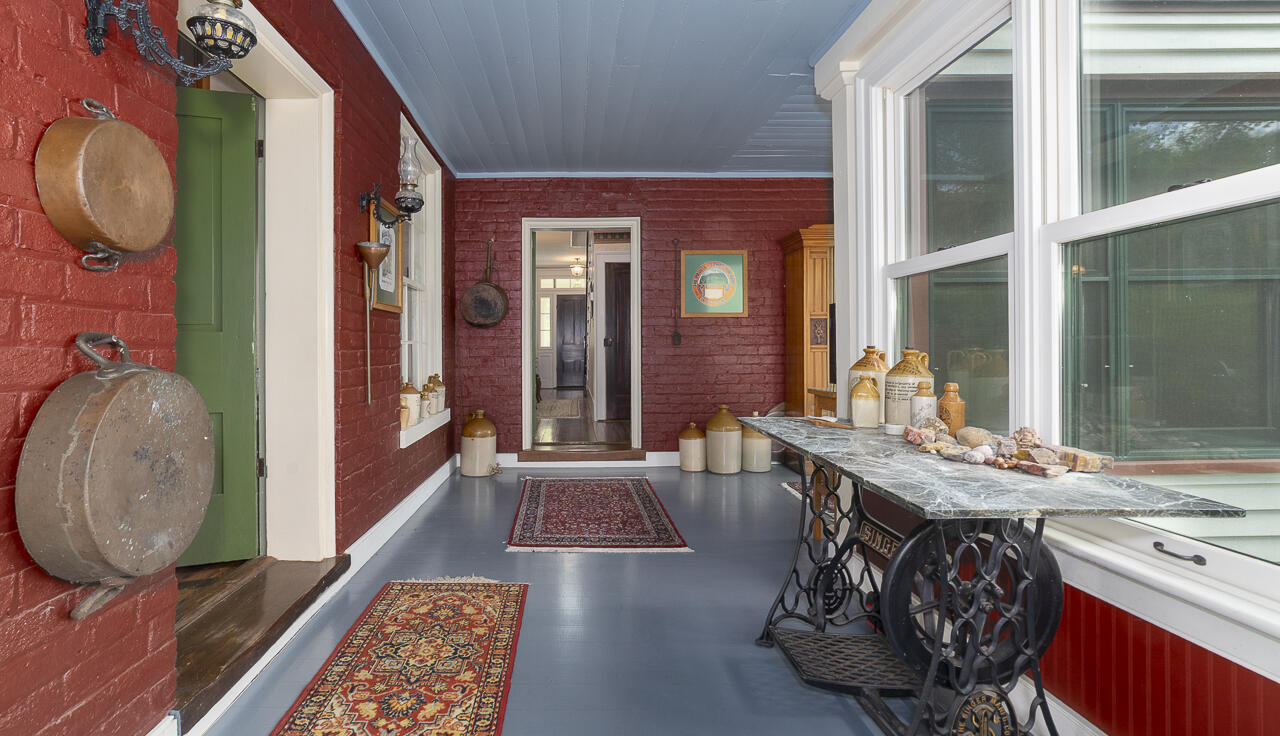
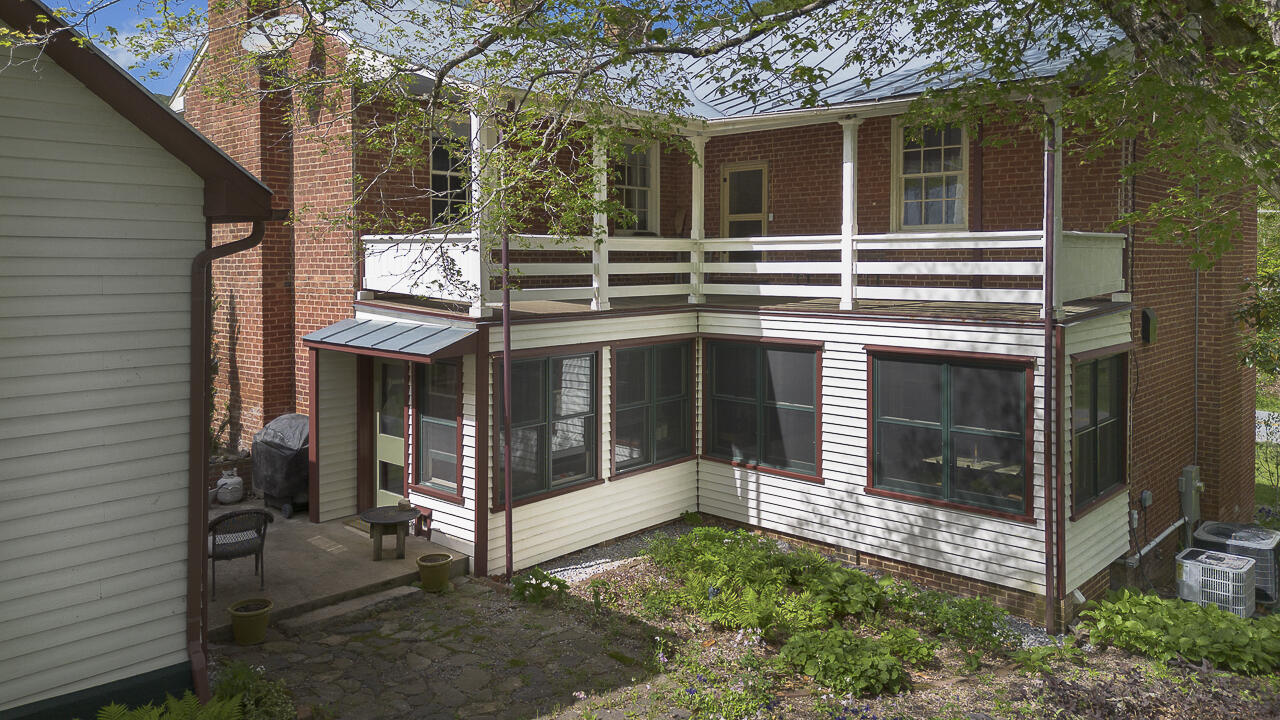
- Lower level of back porch enclosed ca. 2009 as rear entry and breakfast room.
- Historic paint analysis by specialist Matthew Mosca.
- Period-appropriate decorative paint finishes and wallpapers added.
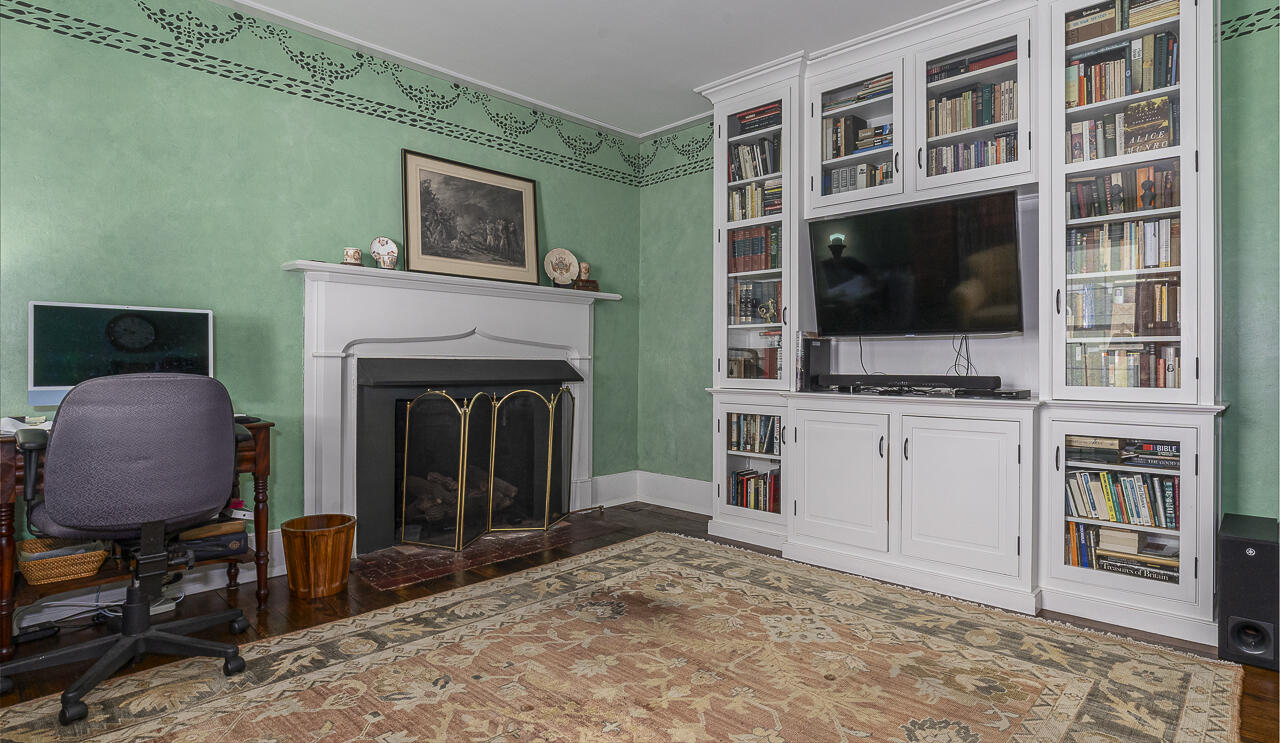
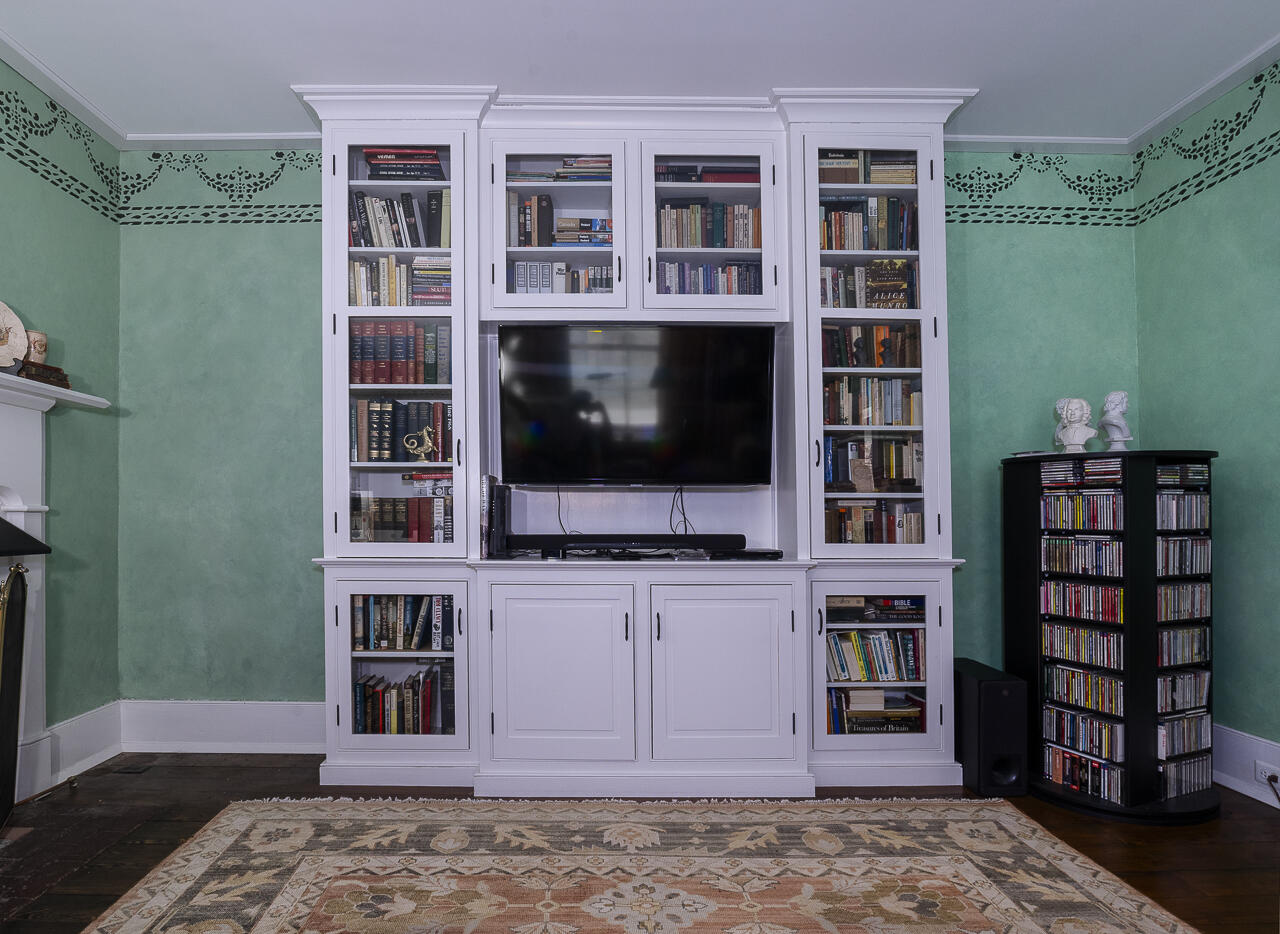
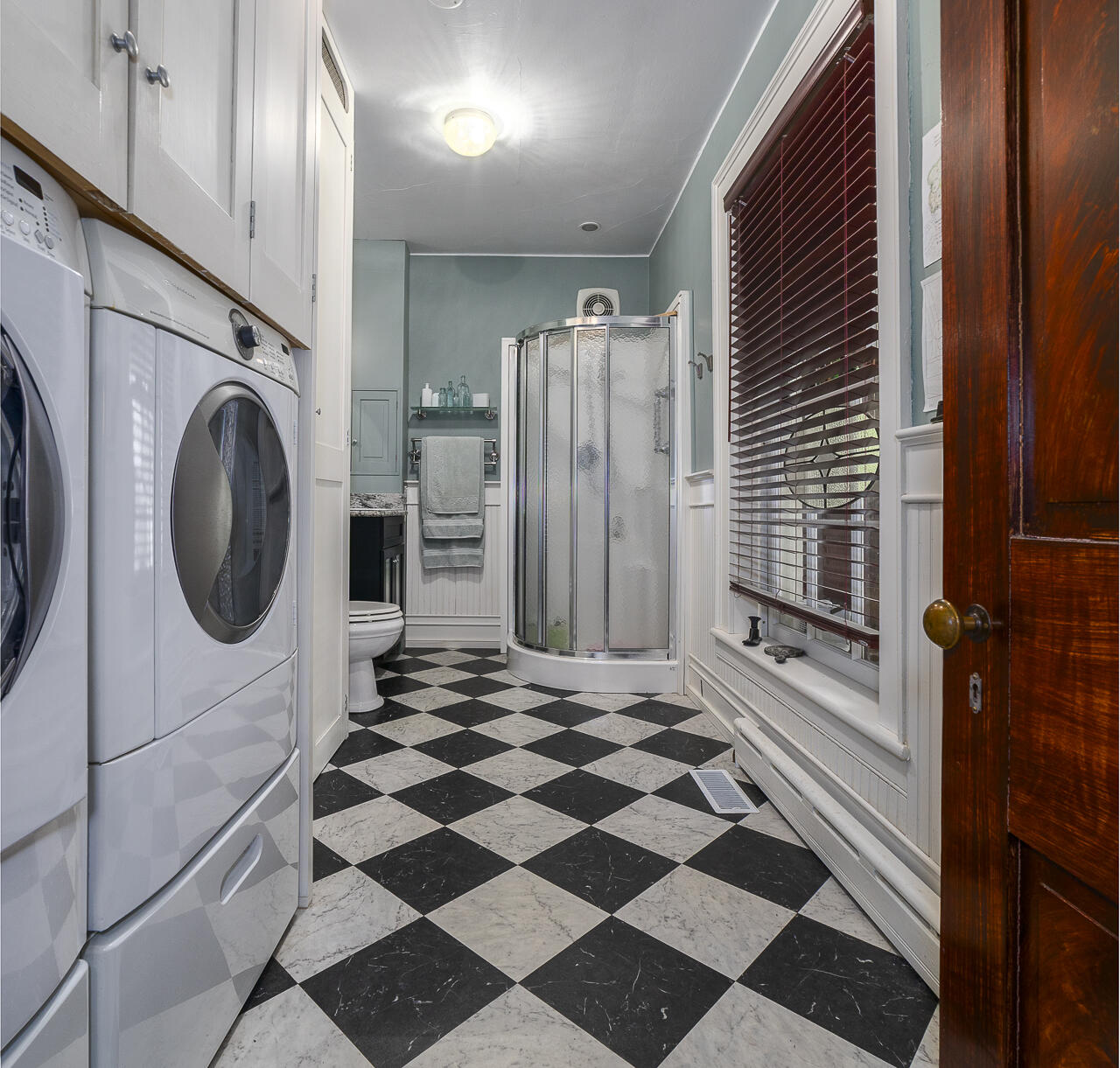
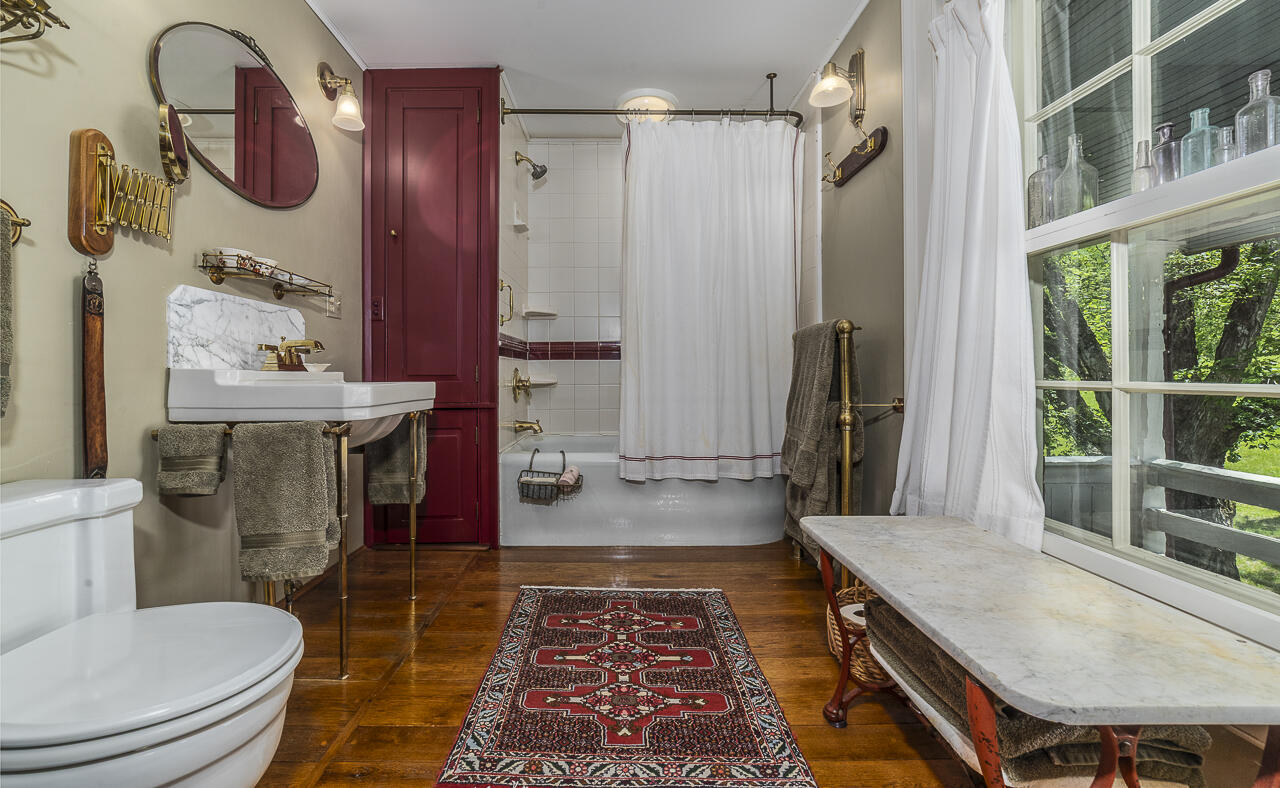
- Custom cabinetry in kitchen, bathrooms, rear entry hall, and library-parlor designed and crafted by David Buckner with Will Barry-Rec.
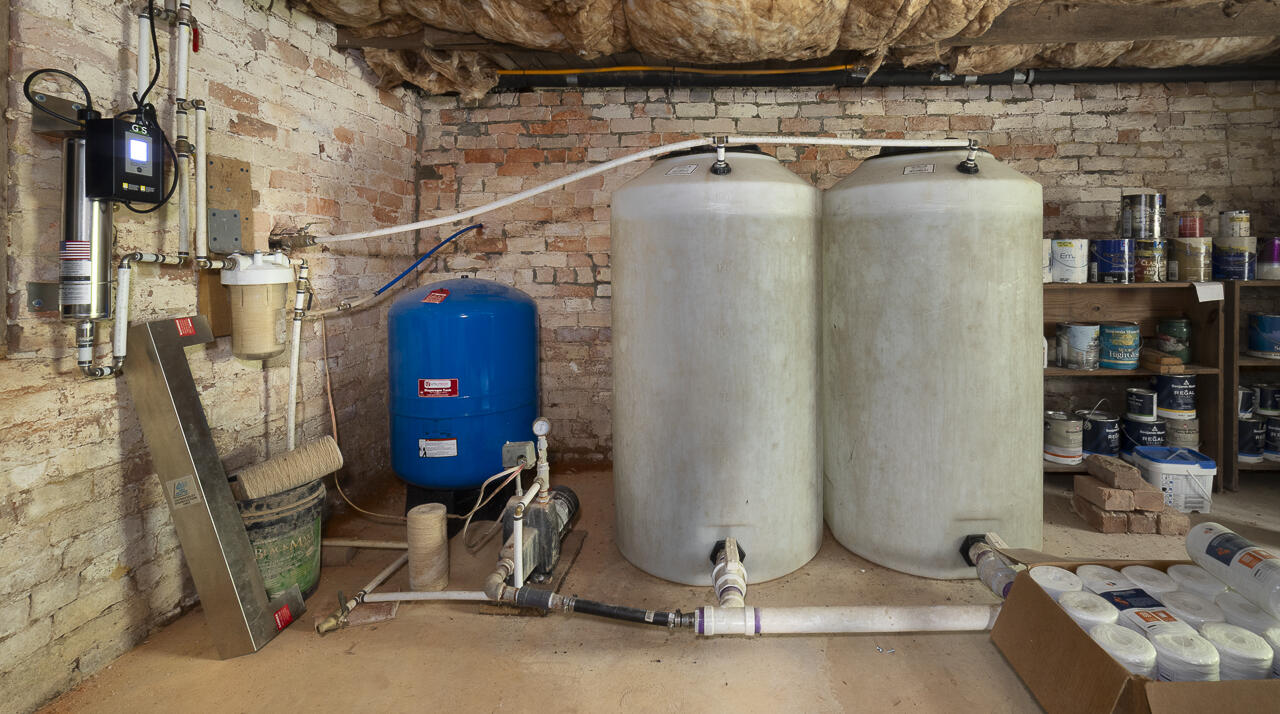
- Selected updates completed in 2025 or in process: new water purification system (UV treatment, etc) installed by Frank's Pump Service; septic opened/pumped, drain lines cleared, and septic riser installed by Hamilton's Septic Service; front porch stair railings repaired and other custom carpentry by Willow Pond Construction; deteriorated barn sill timbers replaced by Heritage Woodworks; electrical updates (barn system) by D&D Electric.